
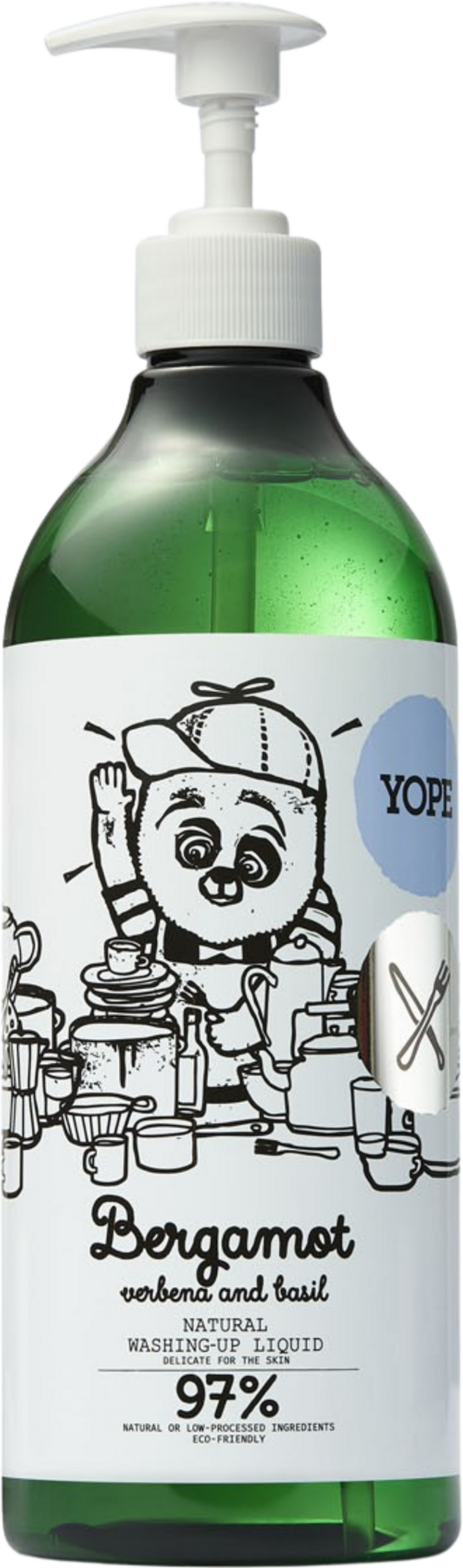
Eco Washing-Up Liquid: A Practical Guide to Greener Dishwashing
Washing-up liquid is a household essential, but the product you choose and the way you use it can affect its overall environmental footprint. Eco washing-up liquids are designed to reduce some of the impact associated with everyday dishwashing, often through carefully selected ingredients, concentrated formulas and lower-waste packaging.
What Is Eco Washing-Up Liquid?
“Eco” is not a single, universal recipe. It is a broad term used for products that aim to be a more environmentally considerate choice. Some are formulated with readily biodegradable ingredients, while others focus on plant-derived surfactants, refillable packaging or manufacturing practices intended to reduce waste.
It is worth checking the product label rather than relying on the word “eco” alone. Look for clear information about ingredients, packaging and recommended use. Independent certifications can also help, provided you check what each scheme actually covers.
What to Look for When Choosing a Product
- Clear ingredient information: A transparent label makes it easier to understand what you are buying. If you have sensitive skin or allergies, check the ingredients carefully.
- Concentrated formulas: A concentrated liquid may require less product per wash, helping the bottle last longer. Follow the dosage instructions, as using extra liquid does not necessarily clean dishes better.
- Lower-waste packaging: Refill pouches, refill stations and recyclable bottles may reduce packaging waste. Check your local recycling guidance, as accepted materials vary.
- Credible environmental claims: Terms such as “natural” or “green” do not, on their own, explain a product’s full environmental impact. Look for specific, verifiable details.
- Performance that suits your needs: A product that cleans effectively with a sensible dose can help avoid unnecessary use and repeat washing.
How to Make Washing Up More Sustainable
Your dishwashing habits matter as well as your choice of liquid. Try these simple steps:
- Use the amount recommended on the label, adjusting only when needed for a particularly greasy load.
- Fill a washing-up bowl or use a plugged sink instead of leaving the tap running continuously.
- Scrape food scraps into the bin or food-waste collection before washing.
- Wash a full bowl of dishes together where practical, rather than repeatedly washing small amounts.
- Choose a refill option if it is available and suits your household.
Is Eco Washing-Up Liquid as Effective?
Many eco washing-up liquids are designed for everyday plates, cups and cutlery. Results depend on the formula, the amount used, water temperature and how dirty the dishes are. For stubborn grease, soaking items briefly can help, reducing the need to use extra liquid or scrub excessively.
For best results, follow the instructions on the bottle. Washing-up liquid is intended for handwashing dishes and should not be used in a dishwasher unless the product specifically says it is suitable. Ordinary washing-up liquid can create excessive foam in a dishwasher.
Is It Better for Sensitive Skin?
Some people prefer products with fewer fragrances or particular ingredients, but “eco” does not automatically mean hypoallergenic or suitable for every skin type. Check the label, and consider wearing washing-up gloves if your hands are prone to dryness or irritation. Stop using a product if it causes a reaction and seek appropriate advice if symptoms persist.
Choosing a Better Everyday Option
Eco washing-up liquid can be one part of a lower-waste household routine. To make an informed choice, compare the product’s ingredients, packaging, dosage guidance and independently verified claims. Using the right amount and avoiding running water while you wash can make a difference too.
The most suitable option is one that works well for your household, comes with clear information and helps you avoid using more product than you need.
Eco-Friendly Washing Up: 6 Tips for Choosing and Using Sustainable Washing Up Liquid
- Choose a concentrated formula to use less.
- Look for recognised environmental certifications.
- Use only the amount you need.
- Wash up in a bowl rather than under a running tap.
- Choose refill packs or recyclable packaging.
- Check that claims about biodegradability are clearly explained.
Choose a concentrated formula to use less.
Choose a concentrated washing-up liquid to make each bottle go further. Because it is more concentrated, you may need only a small amount to tackle everyday dishes, helping to reduce product use and the need to buy replacements as often. Follow the instructions on the label, as using more than recommended is unlikely to improve cleaning.
Look for recognised environmental certifications.
Look for recognised environmental certifications when choosing an eco washing-up liquid. A credible certification can provide independent checks on specific aspects of a product, such as its ingredients or environmental impact, helping you look beyond broad claims like “green” or “natural”. Check what the certification covers, as standards vary, and remember that no single label guarantees a product has no environmental impact.
Use only the amount you need.
Use only the amount of eco washing-up liquid you need to clean your dishes effectively. A small squirt is often enough for a bowl of washing-up, and using more won’t necessarily make your dishes cleaner. Follow the dosage instructions on the bottle, and add a little more only if the water becomes greasy or the load is particularly dirty. This helps your bottle last longer and reduces unnecessary use.
Wash up in a bowl rather than under a running tap.
Washing up in a bowl uses less water than leaving the tap running while you clean. Fill the bowl with only as much warm water as you need, add the recommended amount of eco washing-up liquid and wash the dishes together. For heavily soiled items, soak them briefly rather than letting the tap run. When you’re finished, rinse dishes quickly in a little clean water if needed.
Choose refill packs or recyclable packaging.
Choose washing-up liquid in refill packs or recyclable packaging to help reduce the amount of waste from bottles. Refill packs can use less packaging than buying a new bottle each time, while recyclable containers can be processed for reuse where local facilities accept them. Check the packaging and your council’s recycling guidance, and refill the bottle only when it is clean and suitable for reuse.
Check that claims about biodegradability are clearly explained.
When choosing an eco washing-up liquid, check what the label means by “biodegradable”. A clear claim should explain which ingredients or parts of the product biodegrade, and under what conditions. Don’t assume the whole product or its packaging will break down in every environment; look for specific details or independent certification to help you compare products.
Tags: biodegradable ingredients, concentrated formulas, dishwashing habits, dishwashing sustainability, eco washing up liquid, eco washing-up liquid, environmental claims, household waste reduction, lower-waste packaging, plant-derived surfactants, recyclable bottles, refillable packaging, sensitive skin, sustainable dishwashing, washing-up liquid dosage