
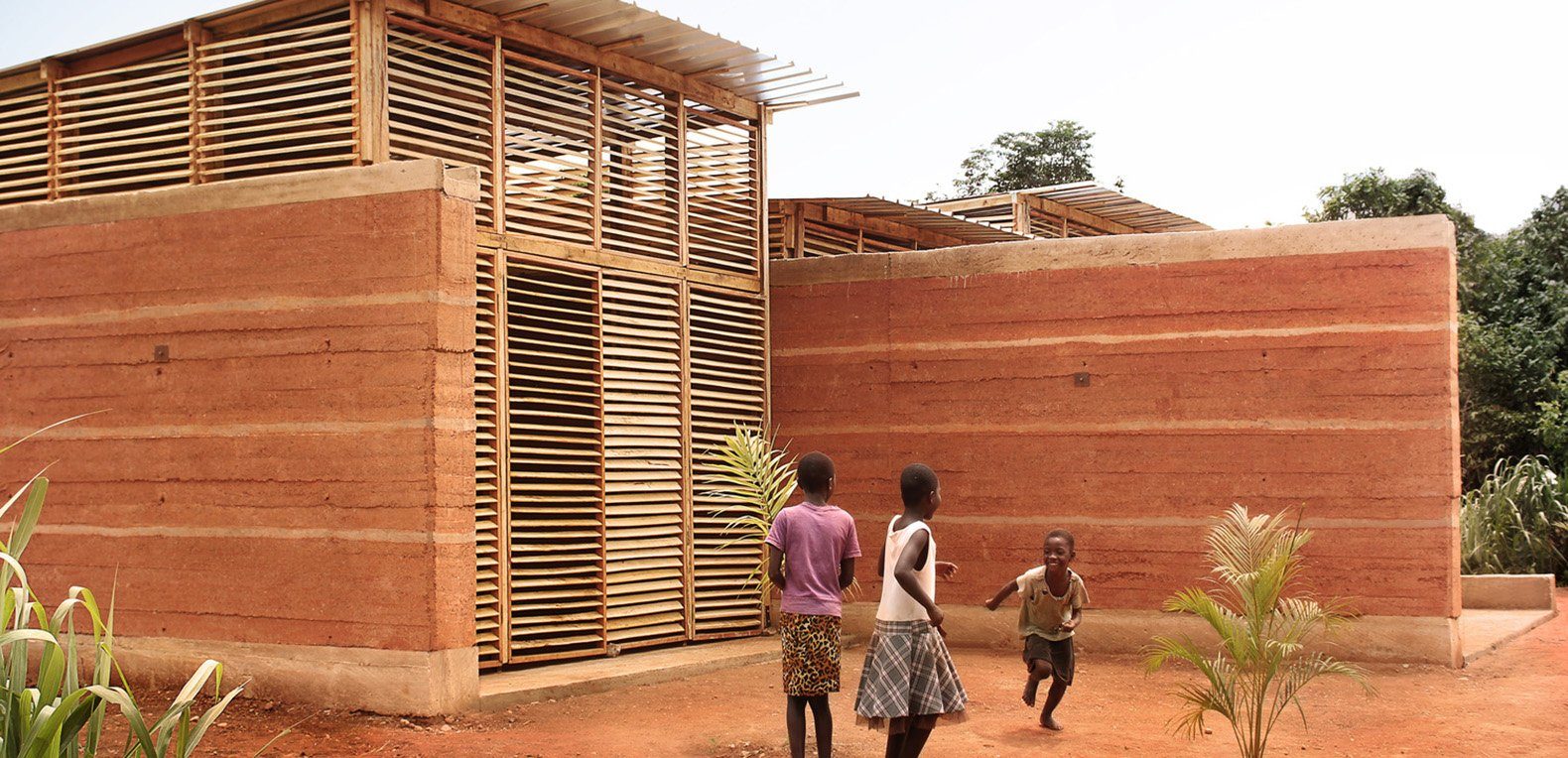
Eco-Friendly Building Materials for Houses
Choosing eco-friendly building materials can help reduce a home’s environmental impact, improve comfort and support healthier indoor air. The best choices depend on the building’s design, location, budget and expected lifespan. A material is not automatically sustainable simply because it is labelled “natural” or “recycled”: its sourcing, manufacture, transport, durability and eventual reuse or disposal all matter.
What makes a building material eco-friendly?
When comparing materials, consider their full life cycle. This includes the energy and resources used to make them, emissions from transport, how well they perform in the home, how long they last and whether they can be repaired, reused or recycled.
Useful questions to ask include:
- Is the material responsibly sourced and produced?
- Does it have a long service life and require little maintenance?
- Can it be reused or recycled at the end of its life?
- Will it help the house use less energy?
- Does it suit the local climate and the building’s construction?
Timber from responsibly managed forests
Timber is renewable when forests are managed responsibly, and it can store carbon absorbed by trees as they grow. It is widely used for structural frames, floors, doors and cladding. Timber can also be easier to adapt or reuse than some materials.
Look for credible chain-of-custody certification, such as FSC or PEFC, and check where the timber comes from. Durability is important too: timber exposed to damp or weather needs suitable detailing and protection. Good design, ventilation and maintenance can help prevent rot and extend its useful life.
Reclaimed and reused materials
Using materials recovered from demolished or renovated buildings can reduce demand for new resources and keep useful products out of landfill. Reclaimed bricks, roof tiles, timber, flooring and architectural features can add character as well as environmental value.
Before using reclaimed materials, check their condition, dimensions and suitability for the intended purpose. Structural items may need assessment by a qualified professional, while older products may require checks for hazardous substances. Reuse works best when materials are identified early in the design process.
Natural insulation
Insulation reduces heat loss and can lower the energy needed to keep a home comfortable. Options made from renewable or recycled resources include cellulose, wood fibre, sheep’s wool, hemp and cork. Their performance varies, so compare technical data rather than relying on a product’s natural credentials alone.
Insulation must be installed as part of a well-designed building fabric. Poor detailing can create gaps, draughts or condensation problems. In older homes, breathable materials may be appropriate, but the right solution depends on the existing walls and how the building manages moisture. Seek advice from a professional experienced with the relevant construction type.
Hemp and lime
Hemp-lime, sometimes called hempcrete, combines hemp shiv with a lime-based binder. It is often used as non-load-bearing infill around a structural frame. It can help regulate humidity and provide insulation, although it is not a direct substitute for every conventional wall system.
Lime mortar and lime-based plasters can also be suitable for some traditional buildings. They are more vapour-permeable than many modern cement-based products, allowing walls to manage moisture differently. Compatibility matters: using the wrong render or mortar on an older wall can trap moisture and cause damage.
Lower-impact concrete and masonry
Concrete and masonry are durable and familiar, but conventional cement production has a significant carbon footprint. Where these materials are needed, designers and builders can explore options such as lower-carbon cement blends, recycled aggregates and efficient structural designs.
The most suitable product depends on the project’s structural and regulatory requirements. Ask suppliers for clear environmental information and compare products on an equivalent basis, including strength, durability and intended use.
Recycled and recyclable metals
Steel and aluminium are used in components such as frames, roofing, windows and fixings. They can be durable and recyclable, and recycled content may reduce the need for newly extracted resources. However, production impacts can still be considerable, particularly where large quantities are used.
Choose metals that are designed for a long service life and, where possible, can be separated and recovered at the end of the building’s life. Avoiding unnecessary material use is often as important as selecting a recycled product.
Finishes and indoor air quality
Paints, sealants, adhesives and floor finishes can affect indoor air quality. Look for products with low emissions of volatile organic compounds (VOCs), and follow the manufacturer’s guidance on ventilation and application. Natural paints and finishes may be an option, but check their ingredients, performance and suitability for the room.
For flooring, consider responsibly sourced timber, cork, linoleum made with natural ingredients, recycled-content products or reclaimed boards. Longevity, repairability and the adhesives used can all influence the overall environmental impact.
Make the whole house more sustainable
Material choices are only one part of an eco-friendly home. A compact, well-designed building may use fewer resources than a larger one, while careful insulation, airtightness, ventilation and shading can improve energy performance. Designing for repair, flexibility and future reuse can also prevent waste over the building’s lifetime.
When planning a build or renovation, discuss materials with the architect, designer and builder early. Ask for product data, sourcing details and installation guidance, and consider the building as a complete system rather than choosing products in isolation. The most sustainable material is one that performs well, lasts, and suits the home in which it is used.
Top 5 FAQs on Eco-Friendly Building Materials for Sustainable Homes
- What is eco friendly construction?
- What is the most environmentally friendly house to build?
- What is the most eco-friendly material to build a house?
- What are the most eco friendly bricks?
- What are the most eco-friendly building materials?
What is eco friendly construction?
Eco-friendly construction is the design, building and renovation of homes in ways that reduce environmental impact throughout a building’s life. It can involve responsibly sourced or recycled materials, energy- and water-efficient design, reduced construction waste and durable products that are easy to repair or reuse. Good insulation, ventilation and careful planning can also make a home more comfortable while reducing the energy it needs to run.
What is the most environmentally friendly house to build?
The most environmentally friendly house is usually one that is compact, carefully designed for its climate and built to last. It uses materials with a low overall environmental impact—such as responsibly sourced timber, reclaimed materials and suitable recycled or natural insulation—while avoiding unnecessary construction and waste. Good insulation, airtightness, effective ventilation and well-positioned windows can reduce energy use throughout the home’s life. There is no single best material or design for every project, so consider the whole building, from sourcing and construction to maintenance, energy use and eventual reuse.
What is the most eco-friendly material to build a house?
There is no single “most eco-friendly” material for every house: the best choice depends on the design, location, climate and how the material is sourced and used. Responsibly sourced timber is a popular lower-impact option because it is renewable and stores carbon, while reclaimed materials can reduce demand for new resources. Natural insulation, such as wood fibre or cellulose, may also improve energy efficiency. Consider the material’s full life cycle, including durability, transport, maintenance and reuse, and seek professional advice to ensure it suits the building.
What are the most eco friendly bricks?
Reclaimed bricks are often among the most eco-friendly choices because reusing them avoids the impacts of manufacturing new ones, provided they are in good condition and suitable for the project. If new bricks are needed, look for locally made options with recycled content and lower-carbon manufacturing, such as efficient kilns or renewable energy. Unfired earth or low-fired bricks can also have a lower embodied carbon, but their durability and suitability depend on the climate, building design and local regulations. Compare manufacturers’ environmental information, transport distances and performance to find the best option for your home.
What are the most eco-friendly building materials?
The most eco-friendly building materials depend on the house, its location and how the materials are sourced and used. Common options include responsibly certified timber, reclaimed bricks and wood, recycled or lower-carbon materials, and natural insulation such as cellulose, wood fibre, hemp or sheep’s wool. Lime and hemp-based products can also suit certain types of construction. Look beyond labels: durability, local availability, low-impact production, energy performance and the potential for reuse or recycling all affect a material’s overall environmental impact.
Tags: building performance, cellulose insulation, cork, durability, eco friendly building materials for houses, eco-friendly building materials, energy efficiency, fsc certification, hemp, hemp-lime, indoor air quality, life cycle assessment, lime mortar, low-carbon concrete, material sourcing, moisture management, pefc certification, recycled aggregates, recycled metals, repairability, responsibly sourced timber, reuse and recycling, sheeps wool, sustainable construction, sustainable homes, volatile organic compounds, waste reduction, wood fibre