
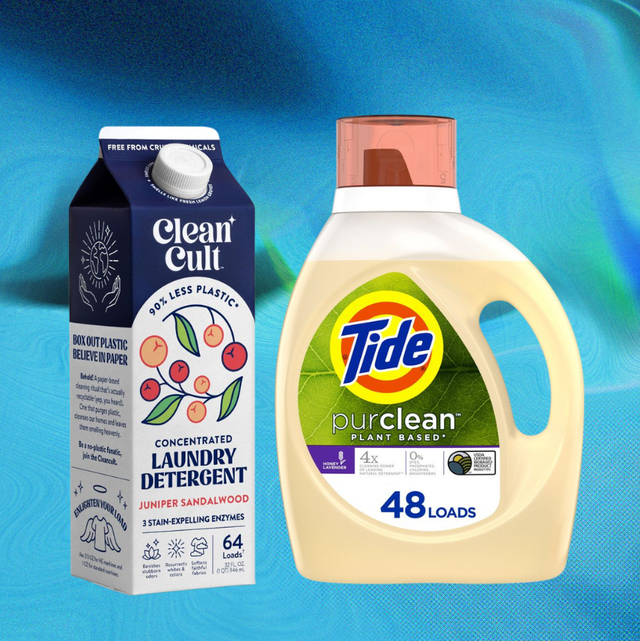
Best Eco-Friendly Laundry Detergent: What to Look For
Choosing an eco-friendly laundry detergent can help reduce the environmental impact of washing clothes, without compromising on clean, fresh-smelling laundry. But with so many products labelled “green”, “natural” or “planet-friendly”, it can be difficult to know which claims matter.
The best eco-friendly laundry detergent is one that cleans effectively at the temperature you usually wash at, suits your household’s needs and uses ingredients and packaging with a lower environmental impact. Here’s what to consider before you buy.
What makes a laundry detergent eco-friendly?
There is no single feature that makes a detergent environmentally friendly. Look at the product as a whole, including its ingredients, packaging, transport and the way it performs in your washing machine.
- Readily biodegradable ingredients: Ingredients that break down more easily after use can reduce their persistence in the environment.
- Concentrated formulas: A concentrated detergent may require less product per wash, which can mean smaller packaging and fewer deliveries.
- Lower-impact packaging: Refillable containers, cardboard boxes and bottles made with recycled plastic can help reduce packaging waste. Check whether the packaging can be recycled locally.
- Effective at lower temperatures: If a detergent cleans well at 30°C, you may be able to use less energy than with a hotter cycle, depending on your washing machine and laundry.
- Clear ingredient information: Brands that explain what their products contain make it easier to make an informed choice.
Powder, liquid or laundry sheets?
Different formats have different advantages, and the best option depends on what you wash and how you do your laundry.
Washing powder
Powder is often sold in cardboard packaging and can be a good choice for everyday loads. It may be particularly useful for white washing, although performance varies by formula. Store it somewhere dry and follow the instructions carefully to avoid using too much.
Liquid detergent
Liquid detergent is convenient for cooler washes and can be useful for treating stains before washing. Some products come in plastic bottles, so look for recycled or refillable packaging where available. Measure the dose rather than pouring by eye.
Laundry sheets
Laundry sheets are lightweight and easy to store, and they are often sold in compact packaging. Check the ingredient list and the directions for use: sheets are not automatically more sustainable simply because they are small or plastic-free.
How to choose the right detergent for your household
Start with your laundry rather than the label. If you regularly wash muddy sports kit, heavily soiled work clothes or cloth nappies, you may need a formula designed for tougher stains. For everyday clothing, a well-performing detergent used at the right dose may be enough.
If anyone in your household has sensitive skin, consider a fragrance-free product and check the full ingredient information. “Natural” does not always mean non-irritating, and products can affect people differently. For delicate fabrics, follow the garment care label and use a suitable detergent.
Look for independent environmental certification where available, and check what the certification covers. A credible label can provide useful information about ingredients or manufacturing standards, but it is still worth considering packaging and washing habits too.
Use less detergent and wash efficiently
Even an eco-conscious detergent can be wasted if you use too much. Follow the dosing instructions and adjust for the size of the load, how dirty the clothes are and the hardness of your water. If you live in a hard-water area, the recommended dose may be different.
Other simple habits can also reduce the impact of laundry:
- Wash at 30°C when it is suitable for the clothes and the level of soiling.
- Wait until you have a full load, while leaving enough room for clothes to move freely.
- Pre-treat stains instead of running an unnecessarily hot or long cycle.
- Air-dry clothes when practical rather than using a tumble dryer.
- Maintain your washing machine and clean its detergent drawer and filter as recommended.
So, which eco-friendly laundry detergent is best?
The best choice is a detergent that works for your laundry, is clearly labelled, has ingredients and packaging you are comfortable with, and can be used effectively at a sensible dose. A concentrated formula or refill option may be worth considering, but performance matters too: if a product does not clean your clothes properly, you may end up rewashing them and using more water and energy.
Compare the cost per wash rather than just the price on the shelf, check the recommended dose and look for transparent information about ingredients and packaging. Combined with cooler washes, full loads and careful dosing, a suitable eco-friendly detergent can make laundry a little gentler on the planet as well as on your clothes.
9 Tips for Choosing the Best Eco-Friendly Laundry Detergent
- Choose a detergent with a recognised environmental certification, such as EU Ecolabel.
- Look for readily biodegradable ingredients and avoid unnecessary dyes and fragrances.
- Try fragrance-free options, especially for sensitive skin.
- Choose concentrated detergent to reduce packaging and transport emissions.
- Buy refill packs or products in recyclable or reusable packaging.
- Use the recommended dose; more detergent does not mean cleaner clothes.
- Pick a formula that works well at lower temperatures.
- Check whether the detergent is suitable for your washing machine and water hardness.
- Compare cost per wash, not just the price per bottle.
Choose a detergent with a recognised environmental certification, such as EU Ecolabel.
Choose a detergent with a recognised environmental certification, such as the EU Ecolabel. These labels indicate that a product has been assessed against established environmental criteria, which may cover its ingredients, performance and impact across its life cycle. Check the certification on the packaging and follow its guidance, as standards vary; a recognised label can help you compare products, but it is still worth considering how well the detergent suits your laundry and whether its packaging can be recycled or refilled.
Look for readily biodegradable ingredients and avoid unnecessary dyes and fragrances.
Look for laundry detergents made with readily biodegradable ingredients, which break down more easily after use. It can also be worth choosing a fragrance-free or lightly scented formula without unnecessary dyes: these additives may not improve cleaning performance and can be a concern for people with sensitive skin. Check the ingredient list and product claims, as “natural” does not always mean biodegradable or irritation-free.
Try fragrance-free options, especially for sensitive skin.
If you have sensitive skin, try a fragrance-free laundry detergent. Fragrances can irritate some people, so choosing a product without added scent may help reduce the risk of discomfort. Check the ingredient list carefully, as “unscented” products may still contain ingredients used to mask odours.
Choose concentrated detergent to reduce packaging and transport emissions.
Choose a concentrated laundry detergent to help reduce the amount of packaging and transport needed per wash. Because you use a smaller dose, each bottle or pack can last longer and may be lighter and more compact to ship. Follow the dosing instructions carefully, as using more detergent than necessary can waste product and make rinsing less effective.
Buy refill packs or products in recyclable or reusable packaging.
Choose laundry detergent in refill packs or packaging that can be reused or recycled locally. Refills often use less packaging than a new bottle, while reusable containers can help cut down on single-use waste. Check your council’s recycling guidance, as packaging materials and facilities vary across the UK.
Use the recommended dose; more detergent does not mean cleaner clothes.
Follow the detergent’s dosing instructions for each wash, taking into account your load size, how soiled the clothes are and your water hardness. Using more detergent won’t make clothes cleaner; it can leave residue on fabrics, make them feel stiff and mean extra rinsing is needed. Measuring the recommended dose helps your detergent go further and reduces unnecessary waste.
Pick a formula that works well at lower temperatures.
Choose a laundry detergent that cleans effectively at lower temperatures, such as 30°C. Washing cooler can use less energy than a hot cycle, while the right formula can still tackle everyday dirt and help keep clothes fresh. Always follow the detergent instructions and garment care labels, and use a hotter wash when needed for heavily soiled laundry or hygiene reasons.
Check whether the detergent is suitable for your washing machine and water hardness.
Before choosing an eco-friendly laundry detergent, check that it is suitable for your washing machine, whether that’s a standard or high-efficiency model, and follow the manufacturer’s dosing instructions. Water hardness matters too: hard water may require a different dose from soft water, so check your local water supplier’s guidance or use a water-hardness test. Using the right detergent and amount can help clean clothes effectively while avoiding unnecessary product use and residue.
Compare cost per wash, not just the price per bottle.
Compare the cost per wash, not just the price per bottle. A larger or more expensive detergent may offer better value if it lasts longer or requires a smaller dose, while a cheaper product could work out dearer if you need more for each load. Check the recommended amount and number of washes on the label, and remember that using more detergent than necessary won’t make clothes cleaner.
Tags: best eco friendly laundry detergent, best eco-friendly laundry detergent, biodegradable ingredients, concentrated detergent, cost per wash, detergent dosing, eco-friendly laundry detergent, energy-efficient laundry, environmental certification, fragrance-free detergent, laundry sheets, laundry sustainability, liquid detergent, low-impact packaging, low-temperature washing, recycled packaging, refillable detergent, sensitive skin detergent, sustainable laundry detergent, wash at 30c, washing powder