
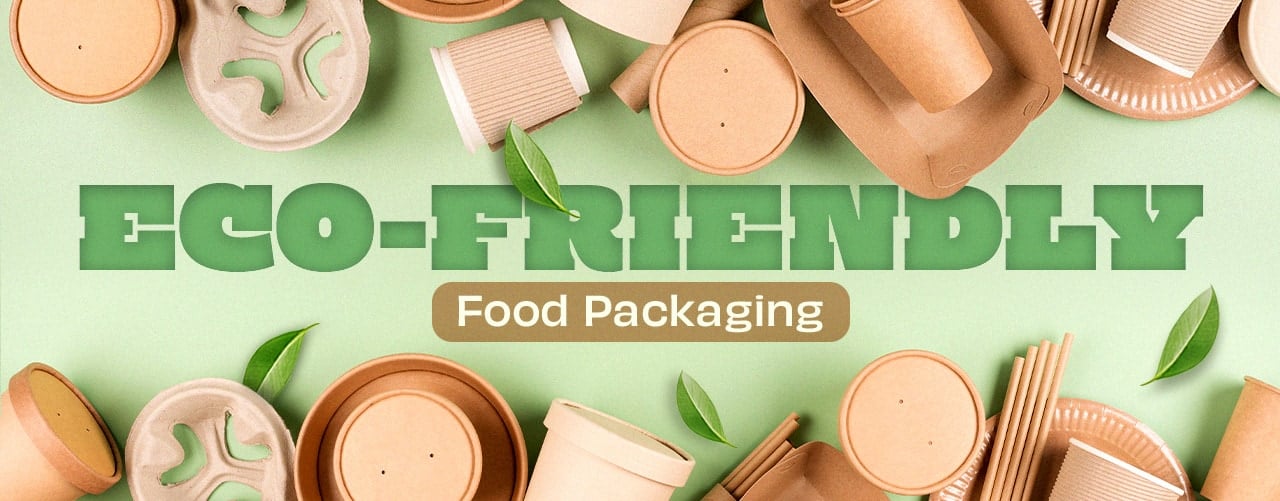
Eco-Friendly Packaging: A Practical Guide for Businesses
Packaging helps protect products during storage and delivery, but it can also create significant waste. Eco-friendly packaging offers a way to reduce this impact by making thoughtful choices about materials, design and disposal. For businesses, the aim is not simply to replace one material with another, but to use packaging that protects products while using fewer resources and creating less waste.
What is eco-friendly packaging?
Eco-friendly packaging is designed to have a lower environmental impact than conventional alternatives. It may use recycled or renewable materials, require fewer resources to produce, or be easier to reuse, recycle or compost. The best option depends on the product, how it is transported and the waste facilities available to customers.
Common types of eco-friendly packaging
- Recycled packaging: Made partly or entirely from materials that have been used before, such as recycled paper, cardboard or plastic.
- Recyclable packaging: Designed to be processed into new materials. Whether it can actually be recycled depends on local collection and recycling facilities.
- Reusable packaging: Intended to be used several times, either by the same customer or through a return-and-refill system.
- Compostable packaging: Designed to break down under specific composting conditions. Some products need commercial composting facilities and may not be suitable for a home compost heap.
- Packaging made from renewable materials: Uses resources such as responsibly sourced paper or plant-based fibres. Renewable does not automatically mean recyclable or compostable, so the full life cycle matters.
Why packaging choices matter
Packaging can affect resource use, transport emissions and the amount of waste sent to landfill or incineration. Reducing unnecessary packaging is often one of the simplest ways to lessen its impact. Lighter, compact designs may also allow more goods to fit into each delivery, though any environmental benefit depends on the wider supply chain.
Clear packaging information can help customers dispose of materials correctly. Simple instructions—such as whether to separate components or remove a label—can make a practical difference where suitable collection services exist.
How to choose packaging responsibly
Start by considering the product’s needs. Packaging must prevent damage, contamination or spoilage; otherwise, the environmental cost of replacing a damaged product may outweigh the benefit of using less packaging. Then assess the materials, the amount used and what happens to the packaging after use.
- Remove unnecessary layers and avoid oversized boxes.
- Choose materials that are widely accepted for recycling in your customers’ areas.
- Use recycled content where it meets product safety and performance requirements.
- Make reusable packaging practical, with clear return or refill instructions.
- Check compostability claims carefully and explain what facilities are required.
- Ask suppliers for evidence supporting environmental claims and material specifications.
Challenges to consider
No packaging material is impact-free. Paper and cardboard rely on forestry and manufacturing processes; recycled plastics may have limits on how many times they can be recycled; and compostable packaging can cause problems if it is placed in the wrong waste stream. Costs, product protection and local recycling infrastructure also vary.
For this reason, broad claims such as “green” or “planet-friendly” can be misleading without clear supporting information. Businesses should describe specific features accurately—for example, stating the recycled content or explaining the correct disposal route.
A better approach to packaging
Eco-friendly packaging is most effective when it is part of a considered approach: use less where possible, protect products well, select materials with suitable end-of-life options and communicate clearly with customers. Reviewing packaging regularly can reveal opportunities to reduce waste, improve design and make more responsible choices over time.
6 Tips for Choosing Eco-Friendly Packaging
- Choose recycled or recyclable materials.
- Avoid unnecessary packaging.
- Use reusable containers where possible.
- Opt for compostable packaging with clear disposal instructions.
- Choose lightweight packaging to reduce transport emissions.
- Check local recycling rules before buying.
Choose recycled or recyclable materials.
Choose recycled or recyclable materials to reduce the environmental impact of your packaging. Recycled materials give existing resources a new use, while recyclable options can be processed into new products where suitable facilities are available. Check local recycling guidance and label packaging clearly so customers know how to dispose of it correctly.
Avoid unnecessary packaging.
Avoiding unnecessary packaging is one of the simplest ways to reduce waste and conserve resources. Choose appropriately sized packaging and remove excess layers, inserts or wrapping while still protecting the product during storage and delivery. A simpler design can also make packaging easier for customers to reuse or recycle.
Use reusable containers where possible.
Use reusable containers wherever practical to reduce reliance on single-use packaging. Sturdy boxes, jars, bottles and tubs can often be used many times, helping to cut waste and make better use of materials. For businesses, return-and-refill schemes can encourage customers to bring containers back, while clear care and return instructions make reuse easier. Choose containers that are durable, easy to clean and suited to the product they hold.
Opt for compostable packaging with clear disposal instructions.
Choose compostable packaging where it suits your product, and make disposal instructions clear and easy to follow. Some materials need to be processed at an industrial composting facility and will not break down properly in a home compost heap, so explain exactly where customers should dispose of them. Clear guidance helps prevent compostable packaging from contaminating recycling streams and gives it the best chance of being processed correctly.
Choose lightweight packaging to reduce transport emissions.
Choosing lightweight packaging can help reduce the emissions associated with transporting products. Lighter parcels use less fuel to move, while compact designs may allow more items to fit into each delivery vehicle. Select materials that provide adequate protection without unnecessary weight or bulk, and test packaging carefully to ensure products still arrive safely.
Check local recycling rules before buying.
Before buying packaging, check your local recycling rules to make sure the materials can be collected and processed in your area. Recycling facilities vary, so packaging labelled as recyclable may not be accepted everywhere, or may need its components separated first. Choosing materials that are easy to recycle locally helps reduce contamination and makes it more likely the packaging will be given a useful second life.
Tags: cardboard packaging, compostable packaging, composting conditions, eco friendly packaging, eco-friendly packaging, environmental claims, environmental impact, packaging design, packaging disposal, packaging materials, packaging suppliers, packaging waste, plant-based fibres, product protection, recyclable packaging, recycled content, recycled packaging, recycled paper, recycling facilities, renewable materials, resource use, reusable packaging, sustainable packaging, sustainable supply chain, transport emissions, waste reduction