
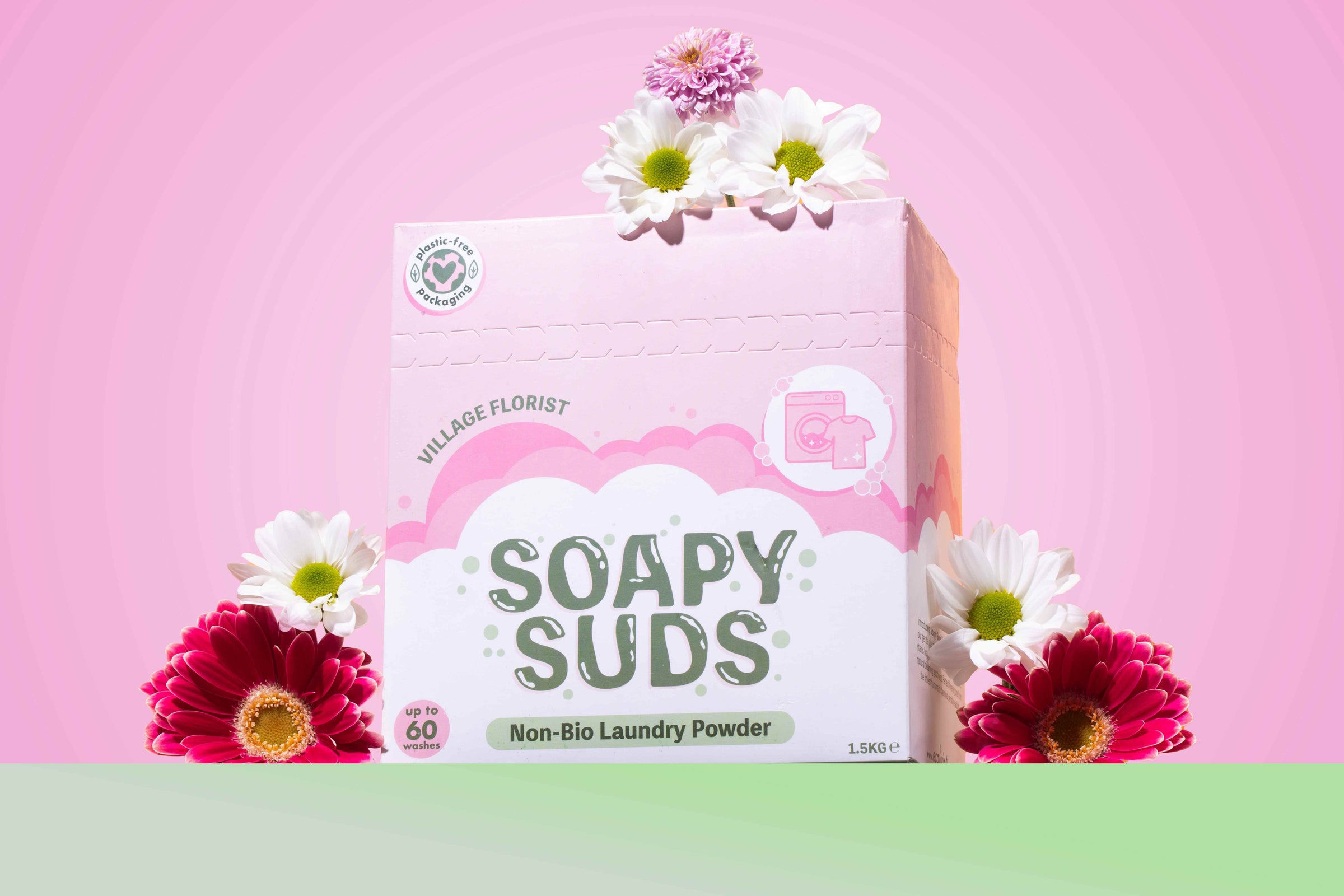
Eco-Friendly Laundry Powder: A Practical Guide
Choosing an eco-friendly laundry powder can be one way to reduce the environmental impact of your washing routine. These detergents are often designed with considerations such as ingredient selection, packaging and effective washing at lower temperatures. However, products vary, so it pays to look beyond the label and check how a powder performs and what it contains.
What makes laundry powder eco-friendly?
There is no single definition of “eco-friendly” for laundry detergent. A powder may be marketed as a greener choice because it uses readily biodegradable ingredients, avoids certain ingredients of concern or comes in recyclable or plastic-free packaging. Some products are concentrated, which can also mean less packaging and transport per wash.
These features do not automatically make a product impact-free. Manufacturing, transport, ingredients and how the detergent is used all matter. Clear information about ingredients and recommended doses is more useful than a broad environmental claim on its own.
Potential benefits
- Less packaging: Powders are often sold in cardboard boxes or other recyclable packaging, although local recycling rules and packaging materials differ.
- Lower-temperature washing: Many modern detergents are formulated to clean effectively at lower temperatures. Check the label and garment care instructions before changing your usual wash settings.
- Measured dosing: A scoop or dosing guide can help you use the amount the manufacturer recommends, avoiding unnecessary detergent.
- Ingredient transparency: Some brands provide detailed ingredient lists and explain their environmental standards, making it easier to compare products.
How to choose a laundry powder
Start by checking the ingredient information, packaging and dosing instructions. Look for specific, verifiable details rather than relying only on terms such as “natural”, “green” or “planet-friendly”. If a product carries an environmental certification, check what the certification covers.
It is also important to choose a powder suited to your household. If you have sensitive skin, consider a fragrance-free option and follow the care advice on the packaging. “Natural” ingredients can still cause irritation or allergic reactions, so discontinue use if a product causes a problem.
Water hardness can affect washing results. In hard-water areas, you may need to follow the manufacturer’s guidance on dosage. Using too little can leave clothes less clean, while using too much can waste detergent and make rinsing more difficult.
Tips for a greener laundry routine
- Follow the product’s dosing instructions, adjusting for load size, soil level and water hardness where advised.
- Wash full loads when practical, while leaving enough room for clothes to move freely.
- Use a lower wash temperature when it is suitable for the garments and the detergent.
- Pre-treat stubborn stains rather than automatically running an extra wash cycle.
- Air-dry clothes when possible to reduce energy use from tumble drying.
- Store powder dry and sealed, and keep it out of reach of children and pets.
Is eco-friendly laundry powder right for you?
Eco-friendly laundry powder may suit households looking to reduce packaging or choose products with clearer environmental information. The best option is one that cleans your clothes effectively, works with your washing machine and meets your household’s needs. Using the correct amount and washing thoughtfully can make a meaningful difference, whichever detergent you choose.
9 Essential Tips for Choosing and Using Eco-Friendly Laundry Powder
- Choose powder with minimal or recyclable packaging.
- Look for recognised environmental certifications.
- Use the dose recommended for your water hardness.
- Wash full loads to save water and energy.
- Choose lower-temperature cycles when suitable.
- Treat stains promptly to avoid rewashing.
- Skip fabric conditioner unless you really need it.
- Store powder in a dry, sealed container.
- Buy only what you can use before it expires.
Choose powder with minimal or recyclable packaging.
Choose an eco-friendly laundry powder with minimal packaging to help reduce waste. When possible, opt for a product in recyclable packaging, such as cardboard, and check your local recycling guidance, as materials and facilities can vary. Avoiding excess packaging is a simple way to make your laundry routine a little more sustainable.
Look for recognised environmental certifications.
Look for recognised environmental certifications when choosing an eco-friendly laundry powder. Independent labels, such as EU Ecolabel or Nordic Swan Ecolabel, assess products against specific environmental criteria, which may cover ingredients, performance and packaging. Check what each certification includes, as standards differ, and remember that certified products should still be used according to the recommended dosage.
Use the dose recommended for your water hardness.
Check the water-hardness guidance on your eco-friendly laundry powder and measure the recommended dose for your area. Hard water can reduce cleaning performance, so using too little may leave clothes less clean; in soft water, a smaller dose is often enough. Measuring carefully helps your laundry come out fresh while avoiding unnecessary detergent use.
Wash full loads to save water and energy.
Washing full loads helps make better use of the water and energy needed for each cycle. Rather than running several small washes, wait until you have enough laundry for a full load, while leaving room for clothes to move freely in the drum. Check your washing machine’s guidance to avoid overloading it, as this can affect cleaning performance.
Choose lower-temperature cycles when suitable.
Choosing a lower-temperature wash can help reduce the energy used by your washing machine. Many modern eco-friendly laundry powders work well at cooler temperatures, but check the product instructions and your garments’ care labels first. For heavily soiled items or laundry that needs a more hygienic wash, a higher temperature may be appropriate.
Treat stains promptly to avoid rewashing.
Treating stains promptly can help prevent them from setting into the fabric, making them easier to remove in a single wash. Gently blot the stain rather than rubbing it, then follow the garment’s care label and your laundry powder’s instructions. This simple step can help you avoid rewashing, saving water, energy and detergent.
Skip fabric conditioner unless you really need it.
Skip fabric conditioner unless you really need it. It can leave a coating on fabrics and add another product to your laundry routine, while many clothes will feel perfectly comfortable without it. Try reducing static by air-drying garments or separating synthetic fabrics, and always follow care labels—some items, such as towels or sportswear, may be better washed without conditioner.
Store powder in a dry, sealed container.
Store eco-friendly laundry powder in a dry, sealed container to protect it from moisture, which can cause it to clump and make it harder to measure. Keep the container in a cool, dry place and close it securely after each use. Always follow the product’s storage guidance and keep laundry powder out of reach of children and pets.
Buy only what you can use before it expires.
Buy only as much eco-friendly laundry powder as you’re likely to use before its recommended use-by date. Buying in bulk may seem convenient, but powder stored for too long—especially in a damp place—can lose effectiveness or become lumpy. Check the packaging for storage guidance and keep it tightly sealed in a cool, dry spot so it stays in good condition.
Tags: biodegradable ingredients, detergent dosing, eco friendly laundry powder, eco-friendly laundry powder, energy use, environmental certification, greener laundry routine, ingredient transparency, lower-temperature washing, minimal packaging, recyclable packaging, sensitive skin, sustainable laundry, waste reduction, water hardness