
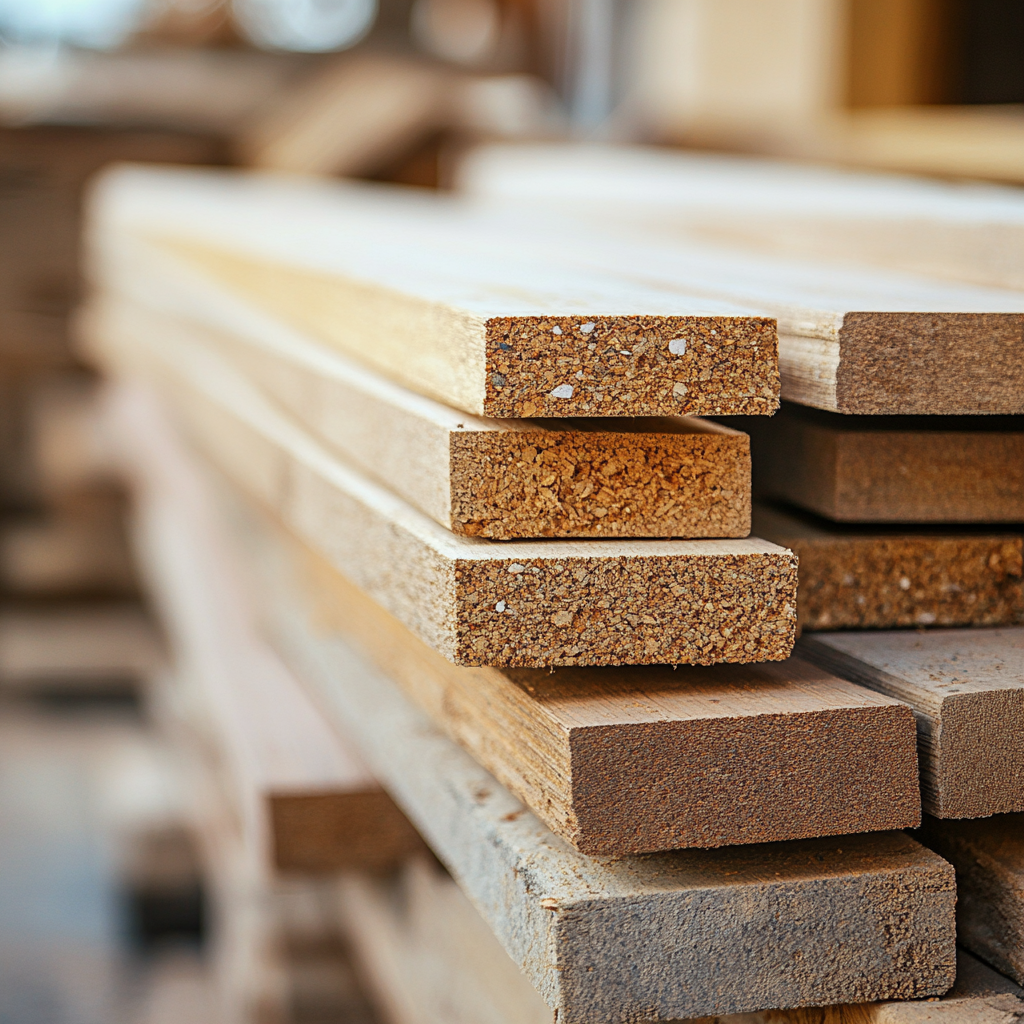
Environmentally Friendly Construction Materials
Choosing environmentally friendly construction materials can reduce a building’s impact on the planet while supporting healthier, more comfortable spaces. From the structure and insulation to finishes and fittings, material choices affect emissions, energy use, waste and the quality of the indoor environment throughout a building’s life.
What makes a material environmentally friendly?
There is no single measure of sustainability. A material’s impact depends on how it is sourced, manufactured, transported, installed, maintained and eventually reused or disposed of. Useful considerations include:
- Embodied carbon: greenhouse gas emissions associated with extracting raw materials, manufacturing and transporting a product.
- Resource use: whether the material comes from renewable, recycled or responsibly managed sources.
- Durability: how long it lasts and how much maintenance or replacement it requires.
- Health: whether it releases harmful substances or contributes to poor indoor air quality.
- End-of-life options: whether it can be repaired, reused, recycled or safely returned to the environment.
Popular lower-impact materials
Timber
Timber can be a renewable construction material when it comes from responsibly managed forests. It can store carbon while in use and is suitable for structural elements, cladding, flooring and interior finishes. Look for credible certification, such as FSC or PEFC, and consider how the timber will be protected and maintained. The full impact also depends on processing, transport and the building’s design.
Reclaimed and recycled materials
Reclaimed bricks, timber, stone and architectural fittings can give existing materials a second life and reduce demand for newly extracted resources. Recycled steel, aluminium and glass may also help conserve raw materials. Before specifying reclaimed products, check their condition, dimensions, performance and suitability for the intended use.
Low-carbon concrete and alternatives
Conventional concrete has a significant carbon footprint, largely because of the cement used in its production. Options such as concrete with reduced cement content, recycled aggregates or suitable supplementary cementitious materials may lower its impact. In some projects, alternatives such as rammed earth or lime-based materials may be appropriate. Structural performance, moisture conditions and relevant building requirements should always guide the choice.
Natural insulation
Sheep’s wool, cellulose, wood fibre, hemp and cork are examples of insulation materials made from natural or recycled resources. Depending on the product and installation, they can help reduce heat loss and may offer useful moisture-management properties. Compare their thermal performance, fire classification, durability and installation requirements rather than relying on the material’s natural origin alone.
Low-impact finishes
Paints, sealants, adhesives and floor finishes can affect indoor air quality. Products with low volatile organic compound (VOC) emissions may help limit pollutants inside the home or workplace. Durable finishes that are easy to repair can also reduce the need for frequent replacement.
Designing for less waste
Material selection is only part of sustainable construction. Good design can reduce the quantity of materials needed and make buildings more adaptable over time. This may include using standard dimensions to limit offcuts, designing components for easy repair, and planning for future changes of use. Careful ordering, on-site sorting and reuse of suitable materials can also help reduce construction waste.
Check the evidence
Environmental claims should be supported by reliable information. Environmental Product Declarations (EPDs) can help compare the impacts of products, although comparisons are only meaningful when they cover similar products and use consistent assessment methods. Certifications and technical data can provide further information about sourcing, performance and emissions.
Choose materials for the whole building
The best choice depends on the project, local climate, budget, building regulations and expected lifespan. A material with a low impact at the manufacturing stage may not be the best option if it performs poorly, needs frequent replacement or has to travel a long distance. Considering the whole life of a building helps avoid decisions based on a single sustainability claim.
By combining responsible sourcing, durable products, efficient design and thoughtful construction practices, project owners and professionals can reduce environmental impact while creating buildings that are practical, comfortable and built to last.
7 Tips for Choosing Environmentally Friendly Construction Materials
- Choose reclaimed bricks and timber where possible.
- Use recycled steel and aluminium.
- Specify timber from certified sustainable sources.
- Opt for low-carbon concrete alternatives.
- Choose natural insulation, such as sheep’s wool or cellulose.
- Reuse materials to reduce construction waste.
- Select locally sourced materials to cut transport emissions.
Choose reclaimed bricks and timber where possible.
Choose reclaimed bricks and timber where possible to give useful materials a second life and reduce demand for newly extracted resources. Reclaimed materials can also add character to a project, but check their condition, dimensions and suitability before use. For timber, verify its source and ensure it meets the structural and safety requirements of your build.
Use recycled steel and aluminium.
Using recycled steel and aluminium can reduce the demand for newly mined raw materials and, in many cases, the energy and emissions associated with production. Both metals are durable and can be recycled repeatedly, making them useful for structural elements, roofing, cladding and fittings. When choosing products, check their recycled content, environmental product information and suitability for the project to ensure they meet the required performance and safety standards.
Specify timber from certified sustainable sources.
Specify timber from certified sustainable sources to help ensure it comes from forests that are responsibly managed. Look for recognised certification, such as FSC or PEFC, and check that the certification applies to the product being supplied. Choosing certified timber can support responsible forestry, protect habitats and encourage the long-term renewal of forest resources.
Opt for low-carbon concrete alternatives.
Opting for low-carbon alternatives to conventional concrete can help reduce a building’s embodied carbon. Depending on the project, options may include concrete made with less cement, recycled aggregates or suitable supplementary materials, as well as alternatives such as limecrete or rammed earth. Check that any chosen product meets the project’s structural, durability and building-regulation requirements, and compare verified environmental data where available.
Choose natural insulation, such as sheep’s wool or cellulose.
Choose natural insulation, such as sheep’s wool or cellulose, to help reduce the environmental impact of your building. Sheep’s wool is a renewable material, while cellulose is typically made from recycled paper. Both can provide effective thermal insulation when correctly specified and installed, helping to keep indoor spaces comfortable and reduce energy use. Check that the product is suitable for your building and meets relevant fire, moisture and performance requirements.
Reuse materials to reduce construction waste.
Reusing materials is a simple way to reduce construction waste and the demand for newly produced resources. Bricks, timber, tiles, fittings and other components can often be salvaged from existing buildings and used again, provided they are checked for safety and suitability. Planning for reuse early in a project makes it easier to recover, store and incorporate materials, helping to keep useful resources out of landfill and reduce the environmental impact of construction.
Select locally sourced materials to cut transport emissions.
Choosing locally sourced construction materials can help reduce the emissions associated with transporting products over long distances. Where suitable materials are available nearby, using them may also support local suppliers and shorten delivery times. Check the material’s quality, environmental credentials and overall impact, however, as local sourcing is most beneficial when combined with responsible production and durable performance.
Tags: cellulose, construction waste, cork, durability, durable construction, embodied carbon, end-of-life options, environmental product declarations, environmentally friendly construction materials, epds, fsc, hemp, indoor air quality, lifecycle impact, lime-based materials, low-carbon concrete, low-voc finishes, material reuse, pefc, rammed earth, recycled aggregates, recycled materials, resource use, responsible sourcing, sheeps wool, sustainable building design, sustainable construction, timber, wood fibre