
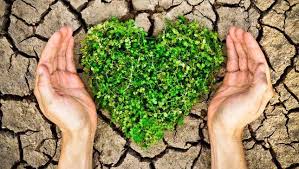
The Importance of Environmental Conservation
Environmental conservation is a critical issue that affects every living being on our planet. The health of our environment directly impacts our own well-being, as well as the survival of countless species that share the Earth with us.
One of the key reasons why environmental conservation is crucial is to preserve biodiversity. The variety of life forms on Earth, from plants to animals to microorganisms, all play a vital role in maintaining ecological balance. When habitats are destroyed or species become extinct due to human activities such as deforestation or pollution, it disrupts the delicate equilibrium of nature.
Furthermore, protecting the environment is essential for ensuring clean air and water for current and future generations. Pollution from industrial activities, transportation, and waste disposal not only harms ecosystems but also poses serious health risks to humans. By safeguarding our natural resources and reducing pollution, we can create a healthier environment for all living beings.
Climate change is another pressing issue that underscores the importance of environmental conservation. Human activities, particularly the burning of fossil fuels and deforestation, have led to an increase in greenhouse gas emissions that are warming the planet. The resulting changes in climate patterns have far-reaching consequences, including more frequent extreme weather events and rising sea levels.
Fortunately, there are steps that individuals and communities can take to contribute to environmental conservation. Simple actions such as reducing energy consumption, recycling waste materials, and supporting sustainable practices can make a significant difference in preserving our planet for future generations.
In conclusion, environmental conservation is not just a choice – it is a responsibility that we all share. By taking care of our environment and promoting sustainable practices, we can protect biodiversity, ensure clean air and water, mitigate climate change, and create a better world for ourselves and all living beings.
Six Essential Tips for a Greener Lifestyle
- Reduce, reuse, and recycle to minimise waste
- Conserve water by fixing leaks and using water-saving devices
- Switch to energy-efficient appliances and lighting
- Use public transport, cycle, or walk instead of driving alone
- Support local and organic food producers to reduce carbon footprint
- Plant trees and create green spaces to improve air quality
Reduce, reuse, and recycle to minimise waste
Reducing, reusing, and recycling are essential practices to minimise waste and promote environmental sustainability. By reducing our consumption, reusing items whenever possible, and recycling materials instead of sending them to landfill, we can significantly decrease the amount of waste generated and lessen our impact on the environment. Embracing the “reduce, reuse, recycle” mantra not only conserves valuable resources but also helps to protect ecosystems and reduce pollution, ultimately contributing to a cleaner and healthier planet for present and future generations.
Conserve water by fixing leaks and using water-saving devices
Conserving water is a crucial aspect of environmental stewardship. By promptly fixing leaks in plumbing systems and incorporating water-saving devices such as low-flow faucets and showerheads, we can significantly reduce water wastage. These simple yet effective measures not only help preserve this precious resource but also contribute to lowering energy consumption associated with water treatment and distribution. Taking proactive steps to conserve water not only benefits the environment but also promotes sustainable living practices for a greener future.
Switch to energy-efficient appliances and lighting
Switching to energy-efficient appliances and lighting is a simple yet effective way to reduce our environmental impact. By choosing appliances that are designed to consume less energy, we can lower our electricity usage and decrease greenhouse gas emissions associated with power generation. Energy-efficient lighting, such as LED bulbs, not only last longer but also use significantly less electricity than traditional incandescent bulbs. Making these small changes in our daily lives can lead to substantial energy savings and contribute to a greener, more sustainable future for our planet.
Use public transport, cycle, or walk instead of driving alone
Using public transport, cycling, or walking instead of driving alone is a simple yet effective way to reduce our carbon footprint and contribute to environmental conservation. By opting for these alternative modes of transportation, we can help decrease air pollution, alleviate traffic congestion, and promote a healthier lifestyle. Embracing sustainable travel options not only benefits the environment but also enhances our overall well-being by encouraging physical activity and reducing reliance on fossil fuels. Making the conscious choice to leave the car behind and explore greener commuting alternatives is a small but impactful step towards a more sustainable future for our planet.
Support local and organic food producers to reduce carbon footprint
Supporting local and organic food producers is a simple yet effective way to reduce our carbon footprint. By choosing locally sourced and organically grown foods, we can cut down on the emissions generated from long-distance transportation and chemical-intensive farming practices. Not only does this support the local economy and promote sustainable agriculture, but it also helps to lower greenhouse gas emissions associated with food production and distribution. Making conscious choices about where our food comes from can have a positive impact on the environment and contribute to a healthier planet for future generations.
Plant trees and create green spaces to improve air quality
Planting trees and creating green spaces are effective ways to enhance air quality and promote a healthier environment. Trees play a crucial role in absorbing carbon dioxide and releasing oxygen through the process of photosynthesis, helping to reduce greenhouse gas levels in the atmosphere. Additionally, green spaces act as natural filters, trapping pollutants and particulate matter to improve air purity. By incorporating more trees and green areas into urban landscapes, we can not only beautify our surroundings but also contribute to cleaner air for everyone to breathe.
Tags: biodiversity, climate change, energy-efficient appliances, environmental, environmental conservation, pollution, recycle materials, reduce consumption, reuse items, sustainable practices, waste minimization, water conservation