
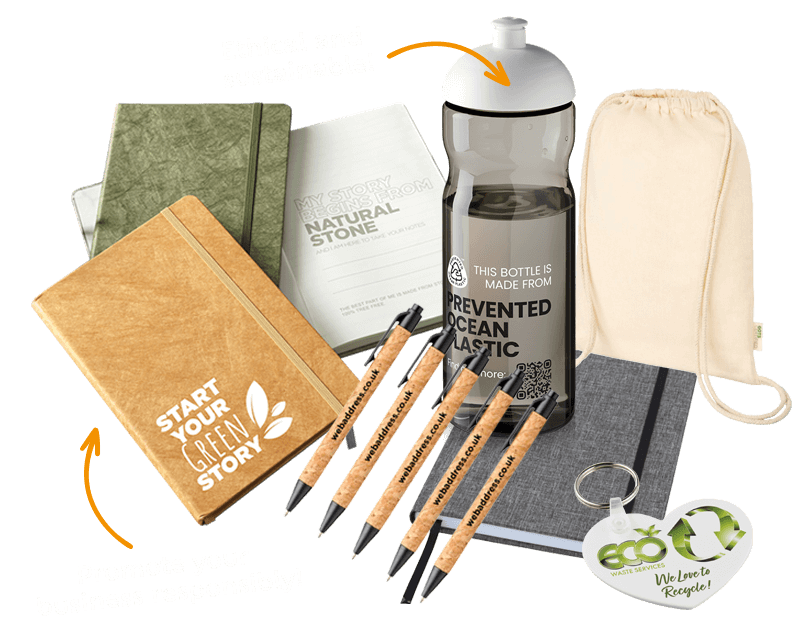
The Rise of Eco-Friendly Products: A Sustainable Choice for a Greener Future
In recent years, there has been a significant shift towards eco-friendly products as more consumers become aware of the impact of their purchasing decisions on the environment. From reusable shopping bags to biodegradable cleaning products, the market for sustainable goods is rapidly expanding.
One of the key reasons driving the popularity of eco-products is the growing concern over climate change and environmental degradation. By choosing items that are made from renewable resources or can be easily recycled, consumers are taking a proactive step towards reducing their carbon footprint and minimising waste.
Many companies are also recognising the importance of sustainability and are incorporating eco-friendly practices into their business models. From using recycled materials in packaging to implementing energy-efficient manufacturing processes, these initiatives not only benefit the planet but also resonate with environmentally conscious consumers.
Furthermore, the quality of eco-products has improved significantly in recent years, dispelling the misconception that sustainable goods are inferior in performance. In fact, many eco-friendly alternatives now offer equal or even superior functionality compared to their traditional counterparts.
When it comes to personal care products, organic and natural ingredients are becoming increasingly popular as consumers seek safer alternatives free from harmful chemicals. Brands that prioritise transparency in their sourcing and production methods are gaining trust and loyalty from environmentally conscious shoppers.
In conclusion, the rise of eco-friendly products signifies a positive shift towards a more sustainable and responsible consumer culture. By supporting brands that prioritise environmental stewardship, individuals can contribute to building a greener future for generations to come.
6 Tips for Choosing Eco-Friendly Products to Reduce Your Environmental Impact
- Choose products with minimal packaging to reduce waste.
- Look for eco-friendly certifications such as Fair Trade or FSC.
- Opt for reusable products like water bottles and shopping bags.
- Support local businesses that offer sustainable and eco-friendly options.
- Avoid products containing harmful chemicals that can harm the environment.
- Consider purchasing second-hand or upcycled items to reduce your carbon footprint.
Choose products with minimal packaging to reduce waste.
Selecting products with minimal packaging is a simple yet effective way to contribute to waste reduction and promote sustainability. By opting for items that use less packaging material, we can significantly decrease the amount of waste that ends up in landfills or oceans. Not only does this choice benefit the environment by minimising our ecological footprint, but it also encourages manufacturers to adopt more eco-friendly packaging practices. Making conscious decisions to reduce packaging waste is a small yet impactful step towards creating a cleaner and healthier planet for future generations.
Look for eco-friendly certifications such as Fair Trade or FSC.
When choosing eco-friendly products, it is advisable to look for certifications such as Fair Trade or FSC (Forest Stewardship Council). These certifications ensure that the products have been sourced and produced in an environmentally and socially responsible manner. By opting for items with these credentials, consumers can support sustainable practices and make a positive impact on both the environment and the communities involved in production.
Opt for reusable products like water bottles and shopping bags.
Choosing reusable products such as water bottles and shopping bags is a simple yet impactful way to reduce single-use plastic waste and lessen our environmental footprint. By opting for reusable alternatives, we can significantly decrease the amount of plastic pollution that ends up in landfills and oceans. Investing in durable, eco-friendly items like stainless steel water bottles and cloth shopping bags not only helps to conserve resources but also promotes a more sustainable lifestyle for a cleaner and healthier planet.
Support local businesses that offer sustainable and eco-friendly options.
Supporting local businesses that offer sustainable and eco-friendly options is a powerful way to make a positive impact on the environment and the community. By choosing to purchase from these businesses, you not only reduce the carbon footprint associated with transportation but also contribute to the growth of a more sustainable economy. Local businesses that prioritise eco-friendly practices often source their products locally, promote responsible production methods, and support the overall well-being of the community. By supporting them, you are not just making a purchase – you are investing in a greener future for both the environment and your local area.
Avoid products containing harmful chemicals that can harm the environment.
It is essential to be mindful of the products we choose and opt for eco-friendly alternatives that do not contain harmful chemicals. By avoiding items with toxic ingredients, we can help protect the environment from pollution and degradation. Choosing products that are free from harmful chemicals not only benefits the planet but also promotes a healthier and more sustainable lifestyle for ourselves and future generations.
Consider purchasing second-hand or upcycled items to reduce your carbon footprint.
When aiming to reduce your carbon footprint, a practical tip is to consider purchasing second-hand or upcycled items. By opting for pre-loved goods or products that have been creatively repurposed, you not only extend the lifespan of these items but also minimise the demand for new resources and energy-intensive manufacturing processes. Embracing second-hand and upcycled products is a sustainable choice that can make a significant impact in reducing waste and promoting a circular economy.
Tags: biodegradable cleaning products, climate change, eco products, eco-friendly alternatives, eco-friendly certifications, eco-friendly products, energy-efficient manufacturing processes, fair trade certification, fsc certification forest stewardship council, greener future, local businesses support sustainable options, minimal packaging waste reduction, natural ingredients, organic ingredients, personal care products, recycled materials, renewable resources, reusable products, shopping bags, single-use plastic waste reduction, sustainable choice