
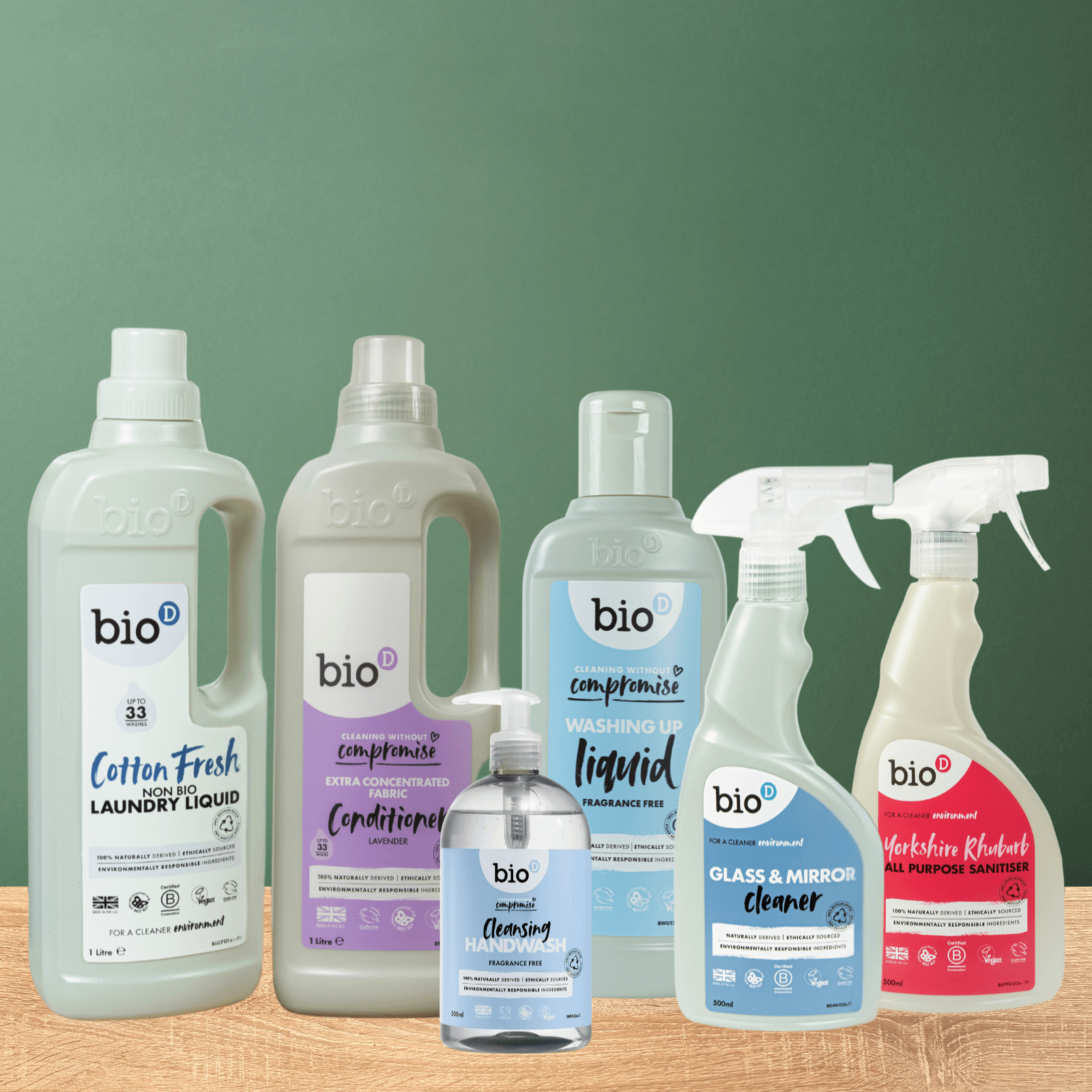
The Importance of Using Environmentally Safe Cleaners
In today’s world, where environmental concerns are at the forefront of global discussions, the choice of cleaning products we use in our homes and workplaces plays a significant role in our collective effort towards sustainability. Environmentally safe cleaners, also known as eco-friendly or green cleaners, offer a range of benefits that go beyond just keeping our surroundings clean.
Reducing Harmful Chemical Exposure
Conventional cleaning products often contain harsh chemicals that can be harmful to both human health and the environment. These chemicals can linger in the air and on surfaces long after their initial use, posing health risks to individuals, especially those with respiratory conditions or allergies. By opting for environmentally safe cleaners, we can minimise our exposure to these harmful substances and create a safer indoor environment for ourselves and our loved ones.
Protecting Water Sources
Many traditional cleaning products contain ingredients that are toxic to aquatic life and can contaminate water sources when washed down the drain. Environmentally safe cleaners are formulated with biodegradable ingredients that break down easily without causing harm to ecosystems. By choosing these products, we contribute to preserving water quality and protecting marine life.
Reducing Air Pollution
Volatile organic compounds (VOCs) found in some conventional cleaning products can contribute to indoor air pollution, leading to respiratory issues and other health problems. Environmentally safe cleaners are formulated without VOCs or with low levels of these compounds, helping to improve indoor air quality and create a healthier living environment for occupants.
Promoting Sustainable Practices
Using environmentally safe cleaners aligns with broader sustainability goals by supporting companies that prioritise eco-friendly practices. These products are often produced using renewable energy sources, recycled packaging materials, and sustainable manufacturing processes. By choosing green cleaners, we encourage businesses to adopt more sustainable practices throughout their operations.
Conclusion
The shift towards using environmentally safe cleaners is not just a trend but a necessary step towards creating a cleaner, healthier planet for future generations. By making conscious choices in the cleaning products we use, we can contribute to reducing our environmental impact while maintaining clean and hygienic living spaces.
9 Tips for Choosing Environmentally Safe Cleaners
- Choose cleaners with natural and biodegradable ingredients.
- Avoid products containing harsh chemicals like bleach and ammonia.
- Look for eco-friendly certifications on the labels of cleaning products.
- Opt for refillable or concentrated cleaning solutions to reduce packaging waste.
- Use reusable cloths or sponges instead of disposable wipes or paper towels.
- Make your own cleaners using simple ingredients like vinegar, baking soda, and lemon juice.
- Ventilate the area when using cleaning products to minimize indoor air pollution.
- Properly dispose of old or unused cleaners at designated hazardous waste facilities.
- Educate yourself about environmentally safe cleaning practices and share knowledge with others.
Choose cleaners with natural and biodegradable ingredients.
When selecting environmentally safe cleaners, opt for products that contain natural and biodegradable ingredients. These cleaners are not only effective in removing dirt and grime but also gentle on the environment. Natural ingredients derived from plants and minerals break down easily, reducing their impact on ecosystems. By choosing cleaners with biodegradable ingredients, you contribute to a cleaner and more sustainable future while ensuring a safer cleaning experience for yourself and your surroundings.
Avoid products containing harsh chemicals like bleach and ammonia.
When choosing environmentally safe cleaners, it is advisable to avoid products that contain harsh chemicals such as bleach and ammonia. These chemicals can not only be harmful to the environment but also pose risks to human health. By opting for cleaner alternatives that do not contain these harsh ingredients, we can reduce our impact on the environment and create a safer and healthier indoor environment for ourselves and our families. Making informed choices about the cleaning products we use is a simple yet effective way to contribute to a more sustainable future.
Look for eco-friendly certifications on the labels of cleaning products.
When selecting cleaning products, it is advisable to look for eco-friendly certifications on the labels. These certifications indicate that the product has undergone testing and meets specific environmental standards, ensuring that it is safe for both users and the planet. By choosing cleaning products with recognised eco-friendly certifications, consumers can make informed decisions that contribute to a more sustainable and healthier living environment.
Opt for refillable or concentrated cleaning solutions to reduce packaging waste.
When choosing environmentally safe cleaners, opting for refillable or concentrated cleaning solutions can significantly contribute to reducing packaging waste. Refillable options allow you to reuse the same container multiple times, cutting down on the need for single-use plastic bottles. Concentrated formulas require less packaging material and water during production and transportation, further minimising environmental impact. By selecting refillable or concentrated cleaning solutions, you not only promote sustainable practices but also help lessen the amount of waste ending up in landfills or oceans.
Use reusable cloths or sponges instead of disposable wipes or paper towels.
By opting to use reusable cloths or sponges instead of disposable wipes or paper towels, you can significantly reduce waste and lessen your environmental footprint. Reusable cleaning tools not only help in minimising the amount of single-use plastic ending up in landfills but also promote a more sustainable cleaning routine. By washing and reusing cloths and sponges, you contribute to a more eco-friendly approach to cleaning that is both cost-effective and environmentally conscious.
Make your own cleaners using simple ingredients like vinegar, baking soda, and lemon juice.
By making your own cleaners using simple ingredients like vinegar, baking soda, and lemon juice, you can create effective and environmentally safe cleaning solutions for your home. These natural ingredients are not only gentle on surfaces but also powerful enough to tackle dirt, grime, and odours. Vinegar acts as a disinfectant, baking soda helps to scrub away stains, and lemon juice provides a fresh citrus scent. By opting for DIY cleaners, you can reduce your reliance on commercial products that may contain harmful chemicals, contributing to a healthier environment for both your family and the planet.
Ventilate the area when using cleaning products to minimize indoor air pollution.
To minimise indoor air pollution and promote a healthier living environment, it is important to ventilate the area when using cleaning products, especially those that contain potentially harmful chemicals. Proper ventilation helps to disperse any fumes or volatile organic compounds (VOCs) released during cleaning, reducing the concentration of pollutants in the air. By allowing fresh air to circulate, we can improve indoor air quality and create a safer space for ourselves and our families. This simple yet effective practice can significantly contribute to our efforts in using environmentally safe cleaners and fostering a cleaner, greener home environment.
Properly dispose of old or unused cleaners at designated hazardous waste facilities.
It is crucial to properly dispose of old or unused cleaners at designated hazardous waste facilities to prevent environmental contamination. These facilities are equipped to handle and dispose of potentially harmful chemicals in a safe and responsible manner, ensuring that they do not end up polluting water sources or harming ecosystems. By following this tip and utilising hazardous waste facilities for the disposal of cleaning products, we can contribute to protecting the environment and promoting sustainable waste management practices.
Educate yourself about environmentally safe cleaning practices and share knowledge with others.
It is crucial to educate oneself about environmentally safe cleaning practices and to share this knowledge with others. By understanding the impact of conventional cleaning products on the environment and human health, individuals can make informed choices that contribute to a more sustainable future. Sharing information about eco-friendly alternatives not only helps raise awareness but also encourages others to adopt greener cleaning habits, leading to a collective effort in preserving our planet for generations to come.
Tags: air pollution, ammonia, biodegradable ingredients, bleach, eco-friendly, eco-friendly certifications, green cleaners, harmful chemical exposure, harsh chemicals, natural ingredients, sustainable practices, water sources