
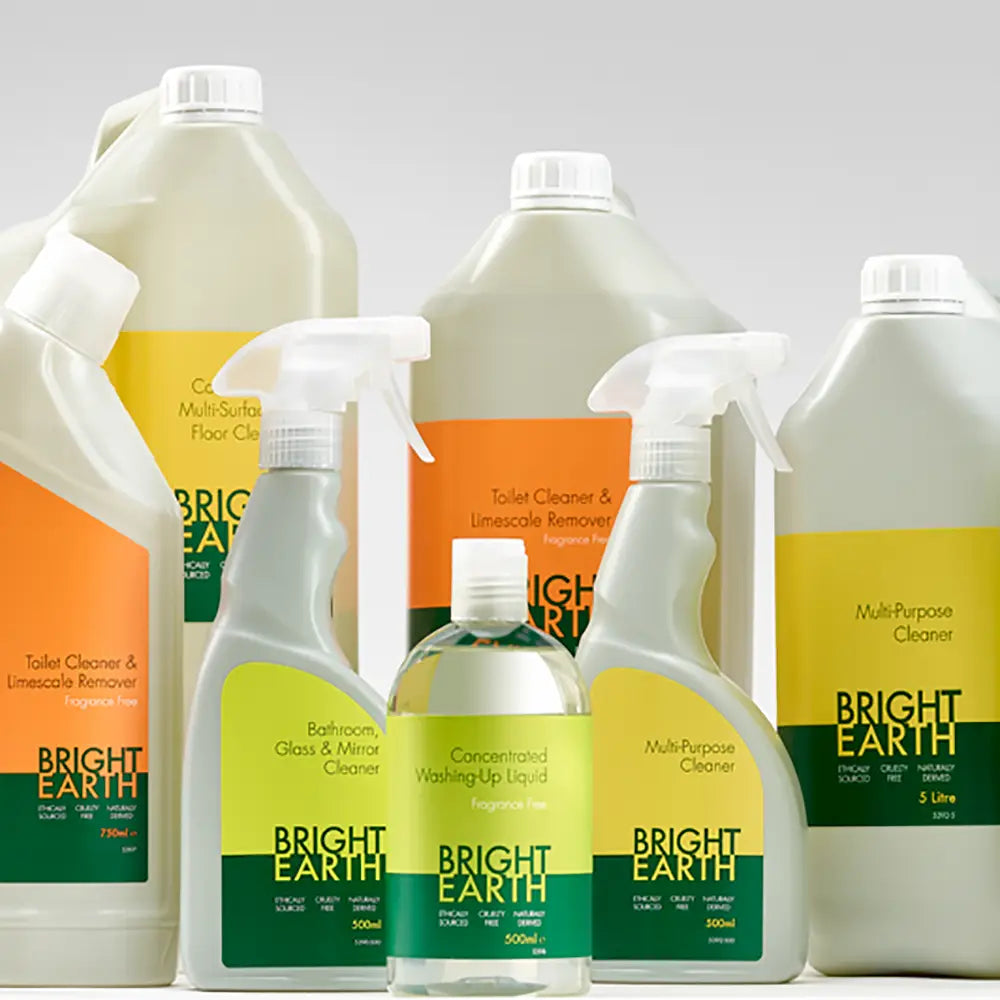
Eco-Friendly Washing-Up Liquid: What to Look For
Washing-up liquid is a household essential, but the products we use can have an impact beyond the kitchen sink. Eco-friendly washing-up liquids are designed to clean dishes effectively while taking greater care over their ingredients, packaging and environmental footprint.
What Does “Eco-Friendly” Mean?
There is no single definition of an eco-friendly washing-up liquid. The term may refer to ingredients that break down more readily in the environment, plant-derived surfactants, concentrated formulas that need less packaging, or bottles made from recycled or recyclable materials. Some products address several of these areas; others focus on just one.
It is worth looking beyond broad claims such as “natural” or “green”. Check the product label and, where available, look for recognised independent environmental certifications. Clear information about ingredients, packaging and disposal is more useful than vague promises.
Ingredients to Consider
Surfactants are the ingredients that help loosen grease and lift food from plates, pans and cutlery. Eco-conscious formulas may use surfactants made from plant-based raw materials, although plant-derived does not automatically mean harmless or suitable for every user. The full formulation and how ingredients behave after use also matter.
Fragrances, dyes and preservatives can be a concern for people with sensitive skin or allergies. If this applies, consider a fragrance-free product and read the label carefully. “Eco-friendly” does not necessarily mean hypoallergenic, so stop using a product if it causes irritation.
Does Eco-Friendly Washing-Up Liquid Work?
Many eco-friendly washing-up liquids can tackle everyday grease and food residue just as effectively as conventional products. Performance varies between formulas, however, and heavily soiled or greasy cookware may need a longer soak, warmer water or a little more product. Follow the directions on the bottle rather than assuming that more liquid will clean better.
Packaging and Concentration
Packaging is another important part of a product’s footprint. Recycled plastic, refill pouches, refill stations and durable pump bottles can all help reduce the amount of new packaging used. Concentrated liquids may also require smaller bottles, provided they are used at the recommended dose.
Check local recycling guidance before putting packaging in the recycling bin. A bottle may be recyclable, but pumps, caps and labels can be made from different materials and may need to be separated.
How to Make Washing-Up More Sustainable
- Use the amount recommended on the label; avoid unnecessary over-dosing.
- Wash a full bowl or load of dishes rather than leaving the tap running.
- Use warm water where practical instead of very hot water.
- Soak stubborn food residue rather than repeatedly rinsing it away.
- Choose refill options or packaging with recycled content where available.
- Keep washing-up liquid out of reach of children and follow the product’s safety instructions.
Choosing the Right Product
The best eco-friendly washing-up liquid is one that suits your needs and is used responsibly. Compare ingredient information, fragrance, cleaning performance, packaging and credible certifications. If you have sensitive skin, choose a formula made for that purpose and consider wearing washing-up gloves.
Small choices can add up. By selecting a product with transparent environmental information and using only what is needed, households can keep dishes clean while reducing avoidable waste.
Eight Benefits of Eco-Friendly Washing Up Liquid: Effective Cleaning with a Conscience
- Helps reduce environmental impact.
- Often uses biodegradable ingredients.
- Available in refillable packaging.
- Can contain plant-derived cleaning agents.
- Cuts down on plastic waste.
- Gentle options suit sensitive skin.
- Cleans dishes effectively.
- Concentrated formulas use less product.
Potential Drawbacks of Eco-Friendly Washing-Up Liquid: Cost, Effectiveness, Availability, and Variety
- Can cost more than conventional washing-up liquid.
- Some formulas may struggle with stubborn grease.
- Fragrance-free or sensitive-skin options can be limited.
- Refill packs may not be available locally.
Helps reduce environmental impact.
Eco-friendly washing-up liquid can help reduce environmental impact through biodegradable ingredients, more responsible sourcing and packaging designed to use less plastic or include recycled materials. Choosing a concentrated formula and using only the recommended amount can also reduce waste, while still leaving dishes clean.
Often uses biodegradable ingredients.
Eco-friendly washing-up liquid often uses biodegradable ingredients, which can break down more readily after they enter the wastewater system. This may help reduce the persistence of certain cleaning ingredients in the environment. Formulas vary, so check the label for clear information about biodegradability and follow the recommended dosage.
Available in refillable packaging.
Eco-friendly washing-up liquid is often available in refillable packaging, helping to reduce the need for single-use bottles. You can top up a reusable container at home or use a refill station, cutting down on packaging waste while keeping your favourite washing-up liquid close to hand.
Can contain plant-derived cleaning agents.
Eco-friendly washing-up liquid can contain plant-derived cleaning agents, which are made from renewable plant materials rather than relying solely on petroleum-based sources. These agents help lift grease and food residue from dishes, while offering an alternative for shoppers looking to make more considered choices. Plant-derived ingredients are not automatically impact-free, so it is worth checking the product’s full ingredient information and any recognised environmental certifications.
Cuts down on plastic waste.
Eco-friendly washing-up liquid can help cut down on plastic waste, particularly when it comes in recycled or recyclable packaging, or is available as a refill. Refilling a reusable bottle means fewer new containers are needed, while concentrated formulas can use smaller bottles and require less packaging overall. Check local recycling guidance, as pumps and caps may need to be separated from the bottle.
Gentle options suit sensitive skin.
Many eco-friendly washing-up liquids are available in gentle, fragrance-free formulas that may suit people with sensitive skin. By avoiding certain dyes and added perfumes, these options can help reduce exposure to common irritants while still cleaning everyday dishes effectively. Check the label carefully, as “eco-friendly” does not automatically mean hypoallergenic, and consider wearing washing-up gloves if your skin is easily irritated.
Cleans dishes effectively.
Eco-friendly washing-up liquid can clean dishes effectively, cutting through grease and lifting food residue from plates, pans and cutlery. Many formulas deliver reliable results for everyday washing, while concentrated options mean a little can go a long way. For stubborn, dried-on mess, soaking dishes before washing can help achieve a sparkling clean with less effort.
Concentrated formulas use less product.
Concentrated eco-friendly washing-up liquid is designed to clean effectively with a smaller amount, so each bottle lasts longer than a standard formula. Using less product can mean fewer repeat purchases and less packaging over time, helping to reduce household waste. Follow the instructions on the label and use only the recommended dose for the best results.
Can cost more than conventional washing-up liquid.
Eco-friendly washing-up liquid can cost more than conventional options, which may put it beyond some household budgets. The higher price can reflect factors such as responsibly sourced ingredients, environmental certifications or more sustainable packaging. Comparing the cost per wash, choosing a concentrated formula or buying refills may help make it a more affordable choice.
Some formulas may struggle with stubborn grease.
Some eco-friendly washing-up liquids may struggle to cut through stubborn grease as quickly as conventional formulas. Heavily soiled pans might need a longer soak, warmer water or a second wash, so check the product instructions and use only the recommended amount.
Fragrance-free or sensitive-skin options can be limited.
Fragrance-free or sensitive-skin options can be harder to find among eco-friendly washing-up liquids, as many products use essential oils or plant-based fragrances to create a natural scent. This can limit choice for people who prefer unscented products or have sensitive skin, allergies or fragrance sensitivities. Check the ingredient list carefully, as “natural” fragrances can still cause irritation.
Refill packs may not be available locally.
Refill packs are not always easy to find, particularly if local shops have limited stock or do not carry the brand you use. This can make topping up your washing-up liquid less convenient and may mean ordering online or travelling further to buy refills, potentially reducing some of the environmental benefit. Before choosing a product, check whether refills are available nearby and whether the packaging can be recycled locally.
Tags: biodegradable ingredients, cleaning performance, concentrated formula, eco friendly washing up liquid, eco-friendly washing-up liquid, environmental certifications, environmental impact, ingredient transparency, plant-based surfactants, recommended dosage, recyclable materials, recycled packaging, reduce plastic, reduce waste, refill options, responsible sourcing, sensitive skin, sustainable dishwashing, washing-up liquid safety