
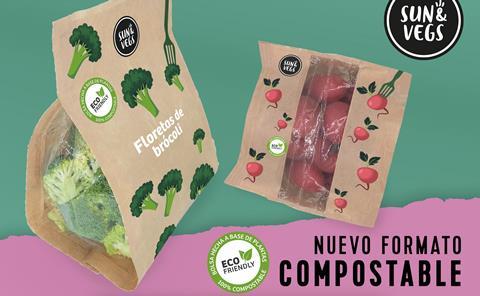
The Rise of Eco-Friendly Food Packaging
In recent years, the demand for eco-friendly food packaging has been steadily increasing as consumers become more conscious of the environmental impact of traditional packaging materials. From plastic pollution in oceans to overflowing landfills, the need for sustainable alternatives has never been more urgent.
Enter eco-friendly food packaging – a solution that not only addresses environmental concerns but also offers numerous benefits for both businesses and consumers. These innovative packaging options are designed with the planet in mind, using materials that are biodegradable, compostable, or recyclable.
Benefits of Eco-Friendly Food Packaging
One of the key advantages of eco-friendly food packaging is its reduced impact on the environment. Unlike traditional plastic packaging that can take hundreds of years to decompose, eco-friendly options break down much faster, reducing waste and pollution.
Furthermore, many eco-friendly food packaging materials are made from renewable resources such as plant-based plastics or recycled paper. This not only helps conserve natural resources but also reduces carbon emissions associated with production.
Trends in Eco-Friendly Packaging
The food industry is seeing a shift towards more sustainable practices, with many businesses opting for eco-friendly packaging solutions. From compostable takeaway containers to biodegradable cutlery, there is a wide range of options available to suit different needs and preferences.
Consumers are also driving this trend by actively seeking out products packaged in environmentally friendly materials. Brands that prioritise sustainability are gaining favour among environmentally conscious shoppers who value transparency and ethical practices.
The Future of Food Packaging
As awareness of environmental issues continues to grow, the demand for eco-friendly food packaging is expected to rise even further. Innovations in sustainable materials and manufacturing processes will drive the development of new and improved packaging solutions that benefit both businesses and the planet.
By embracing eco-friendly food packaging, we can take a significant step towards creating a more sustainable future for generations to come. Together, we can make a positive impact on the environment while enjoying delicious meals guilt-free.
Eco Food Packaging: Embracing Sustainability with Renewable, Biodegradable Solutions and Consumer Appeal
- Environmentally friendly
- Renewable materials
- Biodegradable
- Reduced carbon footprint
- Consumer appeal
- Innovative solutions
Challenges of Eco-Friendly Food Packaging: Cost, Availability, and Perception Issues
- Higher initial cost compared to conventional packaging
- Limited availability of certain eco-friendly materials
- May have shorter shelf life or reduced durability
- Some eco-friendly packaging options require specific disposal methods
- Potential for increased transportation costs due to lighter weight of materials
- Complexity in recycling process for certain types of eco-friendly packaging
- Perception of lower quality or less attractive appearance compared to traditional packaging
Environmentally friendly
By opting for eco-friendly food packaging, such as biodegradable containers and compostable materials, we can actively contribute to reducing plastic waste and pollution. These sustainable packaging options break down more easily in the environment compared to traditional plastics, helping to minimise the negative impact on our planet. By choosing environmentally friendly packaging, we play a vital role in preserving our ecosystems and combating the growing issue of plastic pollution in oceans and landfills.
Renewable materials
One significant advantage of eco-friendly food packaging is its use of renewable materials sourced from sustainable resources such as plant-based plastics or recycled paper. By utilising these environmentally friendly alternatives, eco food packaging helps reduce the reliance on finite resources and minimises the carbon footprint associated with traditional packaging production. This approach not only promotes a circular economy but also contributes to the conservation of natural resources, making it a more sustainable choice for businesses and consumers alike.
Biodegradable
Biodegradable eco food packaging offers a significant advantage by breaking down naturally, ultimately reducing landfill waste. Unlike traditional packaging materials that contribute to the accumulation of non-biodegradable waste in landfills, biodegradable packaging decomposes over time, returning to the environment without causing long-term harm. This eco-friendly characteristic not only minimises the burden on landfill sites but also promotes a more sustainable approach to packaging that aligns with environmental conservation efforts.
Reduced carbon footprint
By opting for eco-friendly food packaging, businesses can significantly reduce their carbon footprint. The production of sustainable packaging materials emits fewer greenhouse gases compared to traditional options, contributing to a cleaner and healthier environment. By choosing packaging that prioritises sustainability, companies can play a vital role in mitigating climate change and promoting a more eco-conscious approach to packaging solutions.
Consumer appeal
By using eco-friendly food packaging, businesses can tap into a key advantage: consumer appeal. This sustainable packaging option has the power to attract environmentally conscious customers who actively seek out eco-friendly products. By aligning with the values of these discerning consumers, businesses can not only expand their customer base but also build brand loyalty among those who prioritise sustainability in their purchasing decisions. Embracing eco food packaging is not just a smart business move but also a way to connect with a growing segment of the market that values environmental responsibility.
Innovative solutions
Innovative solutions are a key pro of eco food packaging, with a continual development of new packaging options to meet diverse needs and preferences. From compostable materials to biodegradable alternatives, the focus on innovation in eco-friendly packaging allows businesses to cater to a wide range of consumer demands while also reducing their environmental impact. This commitment to developing sustainable packaging solutions not only showcases creativity and adaptability but also ensures that the industry stays ahead in meeting evolving consumer expectations for more eco-conscious choices.
Higher initial cost compared to conventional packaging
While eco-friendly food packaging offers numerous benefits for the environment, one significant drawback is its higher initial cost compared to conventional packaging materials. The use of sustainable and biodegradable materials often comes at a premium price due to factors such as production processes, sourcing of raw materials, and limited economies of scale. This increased cost can pose a challenge for businesses, especially small enterprises with tight budgets, as they may need to allocate more resources upfront to adopt eco-friendly packaging solutions. Despite the higher initial investment, many companies are recognising the long-term benefits and positive impact on sustainability that eco-friendly packaging can bring.
Limited availability of certain eco-friendly materials
The limited availability of certain eco-friendly materials poses a significant challenge in the widespread adoption of eco food packaging. While there is a growing demand for sustainable packaging solutions, not all materials are readily accessible or cost-effective for manufacturers. This constraint can hinder the scalability of eco-friendly packaging options and limit the variety of choices available to businesses looking to reduce their environmental footprint. Addressing this issue requires investment in research and development to expand the range of sustainable materials and make them more widely available in the market, ultimately supporting the transition towards a more sustainable packaging industry.
May have shorter shelf life or reduced durability
While eco-friendly food packaging offers numerous benefits, one potential drawback is that it may have a shorter shelf life or reduced durability compared to traditional packaging materials. This limitation can be attributed to the use of biodegradable or compostable materials that may not have the same longevity as plastics or other synthetic materials. As a result, businesses and consumers may need to consider factors such as storage conditions and handling practices to ensure that products remain fresh and protected until consumption. Despite this con, advancements in eco-friendly packaging technology are continuously being made to improve durability and extend shelf life, striking a balance between sustainability and practicality.
Some eco-friendly packaging options require specific disposal methods
Some eco-friendly packaging options come with the con of requiring specific disposal methods. While these materials are designed to be biodegradable, compostable, or recyclable, they may not break down effectively if not disposed of correctly. This can lead to confusion among consumers who may inadvertently send these items to landfill instead of composting facilities or recycling centres. The need for education and clear guidance on proper disposal methods is crucial to maximise the environmental benefits of eco-friendly packaging and minimise any potential drawbacks associated with their disposal.
Potential for increased transportation costs due to lighter weight of materials
One potential drawback of eco-friendly food packaging is the possibility of increased transportation costs resulting from the lighter weight of materials used. While lightweight packaging materials are beneficial in terms of reducing carbon emissions during transportation, they can also lead to higher shipping expenses. This is because lighter packages may require more space to fill up a delivery vehicle, potentially leading to more trips or increased fuel consumption per unit of goods transported. As businesses strive to balance sustainability with cost efficiency, finding ways to mitigate these transportation-related challenges will be crucial in ensuring the overall viability of eco-friendly food packaging solutions.
Complexity in recycling process for certain types of eco-friendly packaging
The complexity in the recycling process for certain types of eco-friendly packaging poses a significant challenge in the adoption of sustainable packaging solutions. While these materials are designed to be environmentally friendly, their intricate composition can make recycling them a cumbersome and resource-intensive task. Sorting and processing facilities may not always have the necessary infrastructure to effectively recycle all types of eco-friendly packaging, leading to confusion among consumers and potential contamination of recycling streams. This complexity highlights the importance of standardisation and education in the recycling industry to ensure that eco-friendly packaging fulfils its promise of reducing environmental impact.
Perception of lower quality or less attractive appearance compared to traditional packaging
While eco-friendly food packaging offers numerous environmental benefits, one notable con is the perception of lower quality or less attractive appearance compared to traditional packaging. Some consumers may associate sustainable packaging materials with a less polished or visually appealing presentation, leading to concerns about the overall quality of the product inside. Overcoming this perception challenge requires innovative design solutions that not only prioritise sustainability but also enhance the aesthetic appeal of eco-friendly packaging to align with consumer expectations and preferences.
Tags: biodegradable, compostable, eco food packaging, eco-friendly, environmentally friendly, food packaging, plant-based plastics, plastic waste, pollution, recyclable, recycled paper, reduced impact, renewable resources, sustainable, sustainable practices, transparent brands