
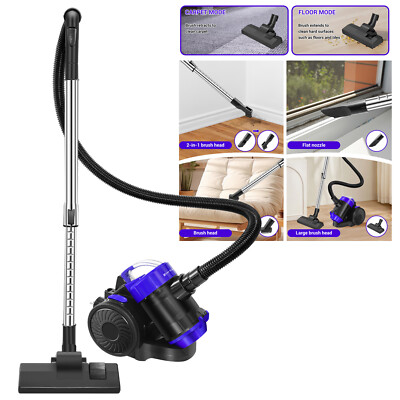
Bagless Vacuum Cleaners: A Practical Guide
A bagless vacuum cleaner collects dust and debris in a removable container rather than a disposable dust bag. It can be a convenient option for everyday cleaning, but it is worth understanding how it works and what maintenance it needs before choosing one.
How does a bagless vacuum cleaner work?
Most bagless models use airflow and cyclonic separation to draw dirt from floors and furnishings into a dust container. The cleaner’s filters then capture finer particles before the air is released. When the container is full, it is removed and emptied into a bin.
Benefits of going bagless
- No replacement bags: You do not need to buy or store vacuum bags, which can make ongoing use more convenient.
- Visible capacity: A clear container makes it easy to see when it needs emptying.
- Reusable components: Some models have washable filters, although these still need regular cleaning and may eventually require replacement.
- Range of designs: Bagless vacuum cleaners are available as upright, cylinder, cordless and handheld models.
Things to consider
Emptying a dust container can release dust back into the air, particularly if it is done indoors or the container is overfilled. If you have allergies or are sensitive to dust, look for a model with effective filtration and an easy-to-empty container. Emptying it outside may also help reduce dust indoors.
Bagless cleaners still need regular care. Filters can become clogged, reducing suction, and the dust container and brush bar may need cleaning. Always follow the manufacturer’s instructions, including guidance on whether a filter can be washed and how long it must dry before being refitted.
Choosing the right model
Think about the surfaces you clean most often. A motorised brush can help lift dirt from carpets, while a suitable hard-floor setting or soft brush may be gentler on delicate flooring. For homes with pets, check whether the cleaner is designed to pick up pet hair and whether its brush bar is easy to clear.
Other useful points to compare include weight, reach, storage space, noise level, battery life for cordless models and the availability of replacement filters or parts. Consider the dust-container capacity, too: a smaller container may need emptying more frequently, especially in a larger home.
Care and maintenance
For reliable performance, empty the container before it reaches its maximum fill line. Check the filters and brush bar regularly, remove tangled hair and fibres, and inspect the hose and attachments for blockages. Switch off and unplug a mains-powered cleaner before carrying out maintenance, and consult the manual for model-specific instructions.
Is a bagless vacuum cleaner right for you?
A bagless vacuum cleaner can be a practical choice if you want to avoid buying disposable bags and are happy to empty and maintain the machine regularly. If you would rather contain dust in a sealed bag during disposal, a bagged model may suit you better. Comparing the cleaner’s filtration, ease of emptying and maintenance requirements can help you choose the right option for your home.
9 Essential Tips for Using and Maintaining Your Bagless Vacuum Cleaner
- Empty the dust bin before it reaches the fill line.
- Clean the filters regularly, following the manual.
- Let washable filters dry completely before refitting.
- Check the brush roll for tangled hair and fibres.
- Clear blockages from the hose and airways.
- Use the right floor setting for carpets or hard floors.
- Avoid vacuuming liquids unless the model allows it.
- Replace worn filters with compatible parts.
- Unplug the cleaner before maintenance.
Empty the dust bin before it reaches the fill line.
Empty the dust bin before it reaches the fill line to help maintain strong suction and prevent dust and debris from building up inside the vacuum cleaner. For less mess, empty it directly into an outdoor bin where possible, and follow the manufacturer’s instructions for cleaning the container.
Clean the filters regularly, following the manual.
Clean the filters regularly to help maintain your bagless vacuum cleaner’s suction and performance. Check the manual for instructions on how to remove and clean each filter, as some can be washed while others must only be brushed or replaced. If a filter is washable, let it dry completely before putting it back in the machine.
Let washable filters dry completely before refitting.
After washing a reusable filter, let it dry completely before putting it back in your bagless vacuum cleaner. Even slight dampness can restrict airflow, affect cleaning performance or damage the machine. Check the manufacturer’s instructions for drying times, and never use a tumble dryer or direct heat unless advised.
Check the brush roll for tangled hair and fibres.
Check the brush roll regularly for tangled hair and fibres, as these can slow it down and reduce cleaning performance. Switch off and unplug the vacuum cleaner first, then carefully remove any debris following the manufacturer’s instructions. For cordless models, remove the battery if advised in the manual.
Clear blockages from the hose and airways.
Check the hose and airways regularly for blockages, as trapped dust, hair or larger debris can reduce suction and make your bagless vacuum cleaner work harder. Switch it off and unplug it before inspecting the machine, then remove any obstruction carefully, following the manufacturer’s instructions. Avoid poking sharp objects into the hose, as they could damage it.
Use the right floor setting for carpets or hard floors.
Choose the correct floor setting before you start vacuuming. Use the carpet setting for rugs and carpets so the brush can lift dirt from the pile, and switch to the hard-floor setting for surfaces such as wood, tile or laminate. This helps clean effectively while reducing the risk of scattering debris or scratching delicate flooring. Check your vacuum’s instructions, as settings can vary between models.
Avoid vacuuming liquids unless the model allows it.
Avoid vacuuming liquids unless your bagless vacuum cleaner is specifically designed for wet pick-up. Moisture can damage the motor and electrical components, clog filters and encourage mould or unpleasant odours inside the machine. Check the manufacturer’s instructions before use; for spills, use a suitable wet-and-dry vacuum or clean them up by hand.
Replace worn filters with compatible parts.
Replace worn filters with compatible parts to help your bagless vacuum cleaner maintain good suction and capture dust effectively. Check the manufacturer’s guidance for the correct filter type, as an unsuitable replacement may affect performance or fit. Remember to clean reusable filters as instructed, and allow washable filters to dry completely before refitting them.
Unplug the cleaner before maintenance.
Always unplug your bagless vacuum cleaner before carrying out maintenance, such as clearing a blockage, cleaning the brush bar or removing a filter. This helps prevent the cleaner from starting accidentally while you work. For cordless models, switch the machine off and remove the battery if the manufacturer recommends it. Check the manual for model-specific safety instructions before you begin.
Tags: bagged vacuum cleaner, bagless vacuum cleaner, brush bar, carpet cleaning, cordless vacuum, cyclonic separation, dust and debris, dust bin emptying, dust container, filter replacement, hard floors, pet hair, suction, vacuum filters, vacuum filtration, vacuum maintenance, washable filters