
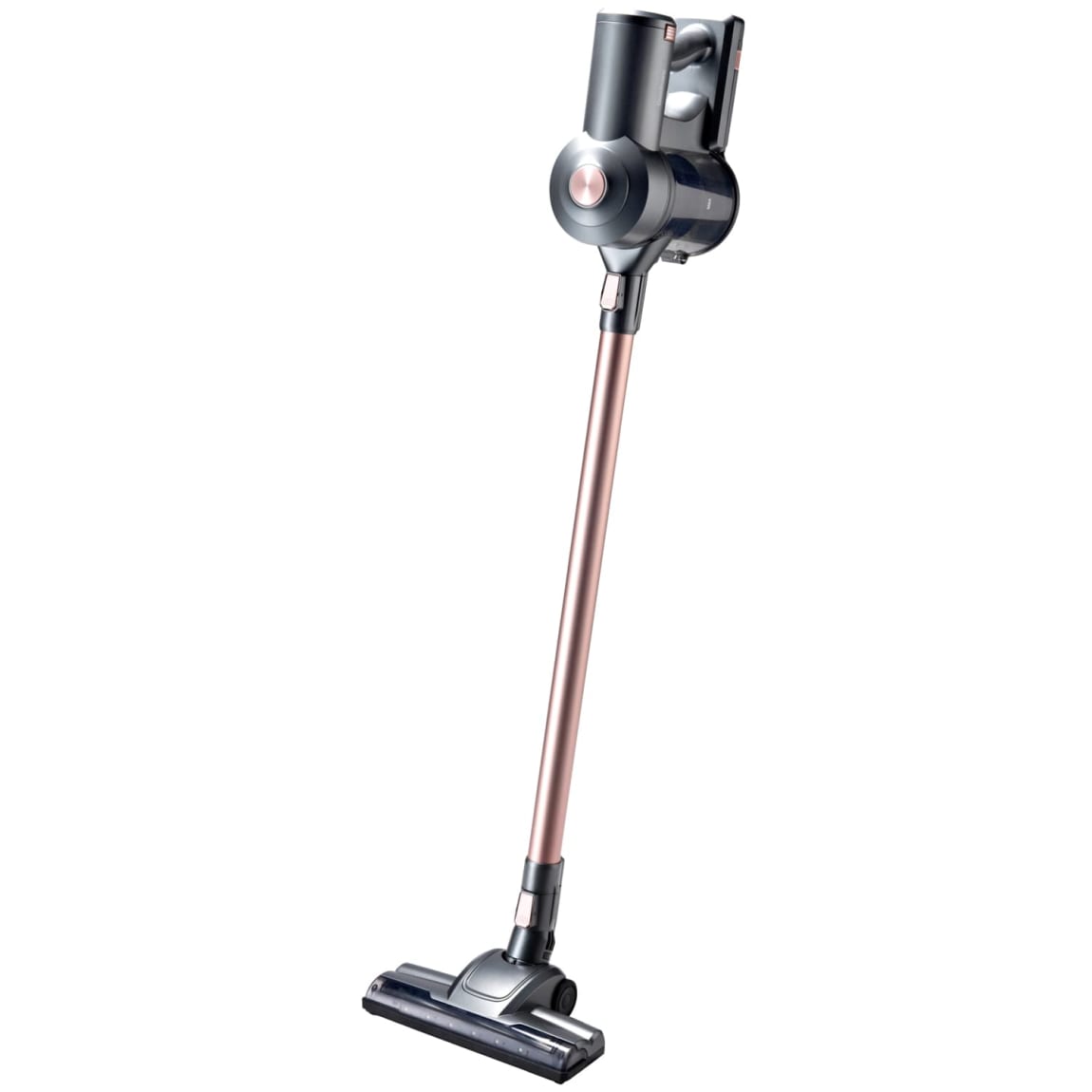
The Benefits of Vacuum Cleaning for a Healthier Home
Vacuum cleaning is an essential part of maintaining a clean and healthy home environment. Regular vacuuming not only helps to keep your carpets and floors looking fresh but also plays a crucial role in improving indoor air quality and reducing allergens.
Removing Dust and Allergens
One of the primary benefits of vacuum cleaning is its ability to remove dust, dirt, and allergens from your home. Carpets, rugs, and upholstery can harbour dust mites, pet dander, pollen, and other particles that can trigger allergies or respiratory issues. A powerful vacuum with high-efficiency filters can effectively capture these contaminants, preventing them from circulating in the air.
Preventing Mold Growth
Regular vacuuming can also help prevent the growth of mold in your home. Moisture and organic debris trapped in carpets or upholstery provide an ideal environment for mold spores to thrive. By vacuuming regularly, you can remove these potential sources of mold growth and maintain a dry and clean living space.
Improving Indoor Air Quality
Cleaner carpets and floors result in better indoor air quality. When dust and allergens are removed through vacuuming, the air in your home becomes fresher and healthier to breathe. This is especially important for individuals with allergies or asthma who may be more sensitive to indoor pollutants.
Enhancing the Longevity of Your Flooring
In addition to improving indoor air quality, regular vacuuming can extend the lifespan of your carpets and flooring. Dirt particles that accumulate on surfaces can cause wear and tear over time if not removed promptly. By vacuuming frequently, you can prevent dirt from being ground into the fibres of your carpets or scratching hard flooring surfaces.
Conclusion
In conclusion, vacuum cleaning is not just about keeping your home looking tidy – it is a vital step in creating a healthier living environment for you and your family. By investing in a quality vacuum cleaner and establishing a regular cleaning routine, you can enjoy the benefits of cleaner air, reduced allergens, and longer-lasting flooring throughout your home.
Essential Vacuum Cleaning FAQs: Tips for Pet Hair, Allergies, Maintenance, and Eco-Friendly Choices
- How often should I vacuum my home?
- What type of vacuum cleaner is best for pet hair?
- How do I maintain and clean my vacuum cleaner?
- Can vacuuming help reduce allergies in my home?
- What are the differences between bagged and bagless vacuum cleaners?
- Is it necessary to use specific attachments when vacuuming different surfaces?
- How can I get rid of unpleasant odours in my vacuum cleaner?
- Are there any eco-friendly or sustainable options for vacuum cleaners?
How often should I vacuum my home?
It is recommended to vacuum your home at least once a week to maintain a clean and healthy living environment. However, the frequency of vacuuming may vary depending on factors such as the number of occupants, pets, and level of foot traffic in your home. High-traffic areas like living rooms and hallways may require more frequent vacuuming, while less-used areas can be vacuumed less often. Regular vacuuming helps to remove dust, dirt, and allergens from carpets and floors, contributing to better indoor air quality and extending the lifespan of your flooring. Establishing a consistent vacuuming schedule tailored to your household’s needs can help you keep your home clean and fresh.
What type of vacuum cleaner is best for pet hair?
When it comes to effectively tackling pet hair, a vacuum cleaner with strong suction power and specialized pet hair attachments is essential. A vacuum cleaner specifically designed for pet hair removal, such as a pet hair vacuum or a model with a motorized brush roll, is ideal for lifting and removing stubborn pet hair from carpets, upholstery, and other surfaces. These vacuums are equipped to handle the unique challenges posed by pet hair, ensuring thorough cleaning and leaving your home free from unwanted fur and dander.
How do I maintain and clean my vacuum cleaner?
Proper maintenance and regular cleaning are essential to ensure that your vacuum cleaner performs effectively and lasts for years to come. To maintain your vacuum cleaner, start by emptying the dustbin or replacing the vacuum bag regularly to prevent clogs and maintain suction power. Check and clean the filters according to the manufacturer’s instructions to keep them free from debris and maintain optimal airflow. Additionally, inspect the brush roll or beater bar for any tangled hair or debris, and remove it to prevent blockages. Lastly, clean the exterior of the vacuum with a damp cloth and check for any signs of wear or damage that may require professional servicing. By following these simple maintenance steps, you can keep your vacuum cleaner in top condition and ensure it continues to effectively clean your home.
Can vacuuming help reduce allergies in my home?
Vacuuming plays a crucial role in reducing allergies in your home by effectively removing dust, pet dander, pollen, and other allergens that can trigger allergic reactions. Regular vacuuming with a high-efficiency filter can capture these particles, preventing them from circulating in the air and settling on surfaces. By maintaining a clean and allergen-free environment through consistent vacuum cleaning, you can significantly reduce the presence of common triggers for allergies, ultimately creating a healthier living space for you and your family.
What are the differences between bagged and bagless vacuum cleaners?
When considering the differences between bagged and bagless vacuum cleaners, it is important to weigh the pros and cons of each option. Bagged vacuum cleaners typically require disposable bags that need to be replaced when full, offering a convenient way to contain dust and debris. On the other hand, bagless vacuum cleaners utilise dirt canisters that can be emptied and reused, reducing ongoing costs associated with purchasing replacement bags. While bagged vacuums may provide better containment of allergens, bagless models offer the advantage of easy maintenance and visibility of collected dirt. Ultimately, the choice between bagged and bagless vacuum cleaners depends on individual preferences regarding convenience, cost-effectiveness, and cleaning efficiency.
Is it necessary to use specific attachments when vacuuming different surfaces?
When it comes to vacuum cleaning different surfaces, using specific attachments can make a significant difference in the effectiveness of the cleaning process. Each attachment is designed with a particular surface or task in mind, such as carpets, hard floors, upholstery, or crevices. By using the appropriate attachment for the surface you are cleaning, you can ensure better suction power, debris removal, and overall results. For example, a rotating brush attachment may be ideal for carpets to lift dirt and pet hair effectively, while a crevice tool can reach tight spaces where dust accumulates. Therefore, using specific attachments tailored to different surfaces can enhance the efficiency and thoroughness of your vacuum cleaning routine.
How can I get rid of unpleasant odours in my vacuum cleaner?
To eliminate unpleasant odours in your vacuum cleaner, there are a few simple steps you can take. First, ensure that the vacuum bag or dust bin is emptied regularly to prevent the accumulation of dirt and debris that can cause odours. You can also sprinkle baking soda or a few drops of essential oil onto the vacuum filter to help neutralise any lingering smells. Additionally, cleaning the brush roll and any other removable parts with warm, soapy water can help remove trapped odours. Finally, consider using scented vacuum beads or freshening tablets designed specifically for vacuum cleaners to keep your machine smelling fresh during use.
Are there any eco-friendly or sustainable options for vacuum cleaners?
When considering eco-friendly or sustainable options for vacuum cleaners, consumers have a range of choices available to reduce their environmental impact. Some manufacturers offer vacuum cleaners made from recycled materials or with energy-efficient features to minimise electricity consumption. Additionally, there are models that use washable and reusable filters, reducing the need for disposable filter replacements. Choosing a vacuum cleaner with high-efficiency particulate air (HEPA) filters can also contribute to better indoor air quality by capturing more allergens and pollutants. By selecting environmentally conscious vacuum cleaning options, individuals can make a positive difference in sustainability efforts while maintaining a clean and healthy home environment.
Tags: allergens, benefits, dust removal, flooring longevity, healthier home, indoor air quality, maintenance tips, mold prevention, pet hair vacuum cleaner, vacuum cleaning, vacuum frequency