
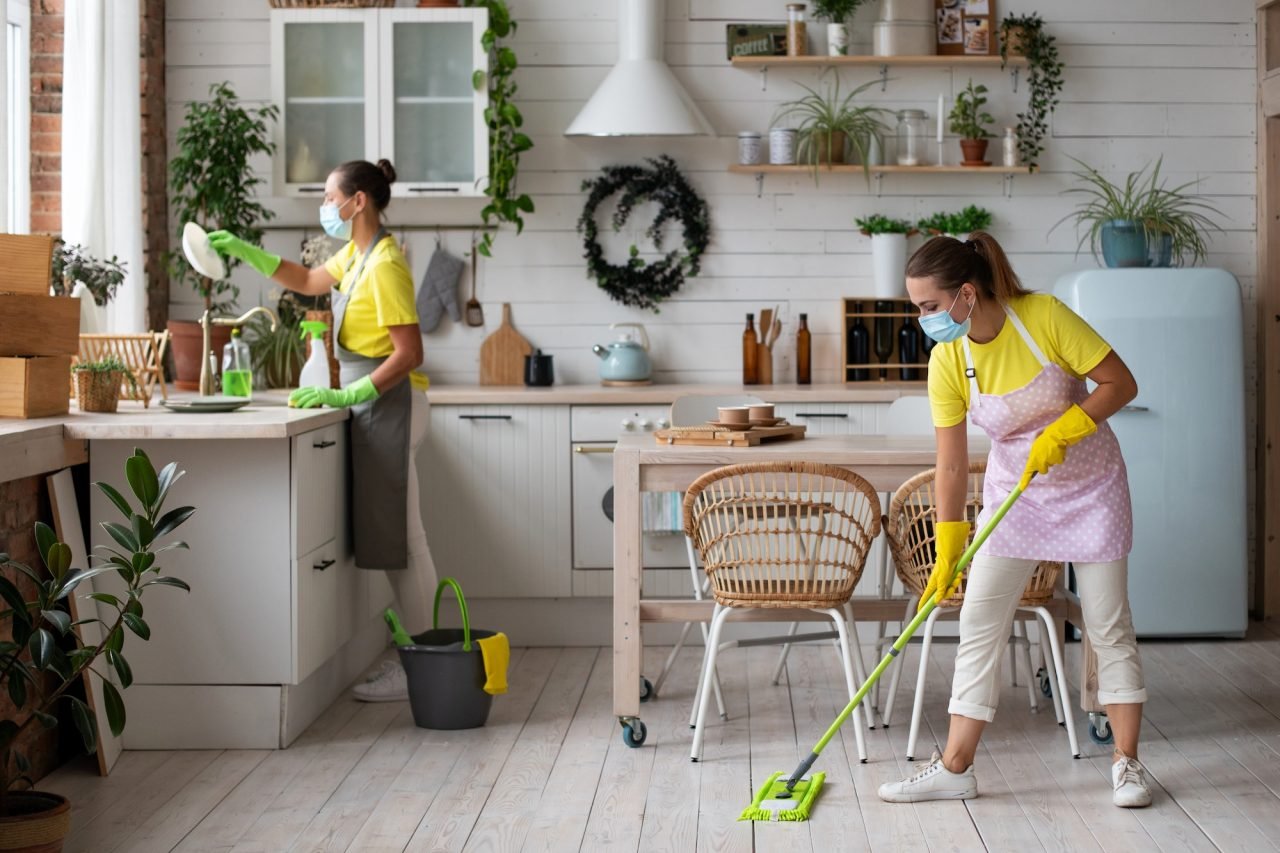
The Benefits of Eco-Friendly Housekeeping
In today’s world, the importance of eco-friendly practices cannot be overstated. From reducing carbon footprints to preserving natural resources, every small step towards sustainability makes a significant impact. One area where individuals can make a difference is in their housekeeping routines.
Using Non-Toxic Cleaning Products
Traditional cleaning products often contain harmful chemicals that can be detrimental to both our health and the environment. By opting for eco-friendly alternatives, such as vinegar, baking soda, or plant-based cleaners, you not only reduce your exposure to toxins but also minimise water pollution and air contamination.
Conserving Water and Energy
Simple actions like turning off taps while not in use, fixing leaks promptly, and using energy-efficient appliances can significantly reduce water and energy consumption in your household. Conserving these precious resources not only benefits the environment but also helps lower utility bills.
Reducing Waste
Embracing a zero-waste mindset in housekeeping involves practices such as recycling, composting organic waste, and opting for reusable cleaning tools like microfiber cloths instead of disposable wipes. By minimising waste generation, you contribute to less landfill accumulation and promote a circular economy.
Creating a Healthier Indoor Environment
Eco-friendly housekeeping promotes better indoor air quality by avoiding the use of harsh chemicals that release harmful fumes. Natural cleaning products are gentle on surfaces and respiratory systems, creating a healthier living space for you and your family.
Supporting Sustainable Practices
By adopting eco-friendly housekeeping habits, you align yourself with sustainable living principles that benefit not only your immediate surroundings but also the planet as a whole. Every conscious choice you make contributes to a greener future for generations to come.
In conclusion, eco-friendly housekeeping is not just a trend but a responsible way of caring for our homes and the environment. By making small changes in our daily routines, we can collectively make a big difference in preserving the planet for future generations.
8 Essential Tips for Eco-Friendly Housekeeping
- Use eco-friendly cleaning products to reduce harmful chemicals in your home.
- Switch to reusable cleaning cloths and sponges instead of disposable ones.
- Conserve water by fixing leaks promptly and taking shorter showers.
- Opt for energy-efficient appliances to reduce electricity consumption.
- Recycle and compost as much waste as possible to minimise landfill contribution.
- Use natural light whenever possible to reduce the need for artificial lighting.
- Choose sustainable materials for home furnishings and decorations.
- Plant indoor houseplants to improve air quality and add a touch of nature.
Use eco-friendly cleaning products to reduce harmful chemicals in your home.
By choosing to use eco-friendly cleaning products in your household, you can significantly reduce the presence of harmful chemicals that pose risks to both your health and the environment. Opting for natural alternatives such as vinegar, baking soda, or plant-based cleaners not only ensures a safer living environment for you and your family but also contributes to minimising water pollution and air contamination. Making this simple switch in your housekeeping routine is a proactive step towards creating a healthier and more sustainable home.
Switch to reusable cleaning cloths and sponges instead of disposable ones.
Making the switch to reusable cleaning cloths and sponges instead of disposable ones is a simple yet impactful step towards eco-friendly housekeeping. By opting for durable and washable alternatives, you not only reduce waste going to landfills but also minimise the environmental impact of manufacturing and disposing of single-use cleaning products. Reusable cloths and sponges are not only cost-effective in the long run but also contribute to a more sustainable cleaning routine that benefits both your home and the planet.
Conserve water by fixing leaks promptly and taking shorter showers.
Conserving water is a crucial aspect of eco-friendly housekeeping. By promptly fixing leaks and opting for shorter showers, you can significantly reduce water wastage in your household. Addressing leaks not only saves precious resources but also helps lower water bills. Similarly, taking shorter showers not only conserves water but also reduces energy consumption required to heat the water. These simple yet effective practices contribute to sustainable living and demonstrate a commitment to environmental stewardship.
Opt for energy-efficient appliances to reduce electricity consumption.
Opting for energy-efficient appliances is a key tip in eco-friendly housekeeping as it can significantly reduce electricity consumption. Energy-efficient appliances are designed to operate more efficiently, using less energy to perform the same tasks as their conventional counterparts. By choosing these appliances, households can lower their carbon footprint and save on energy costs in the long run. Making this simple switch not only benefits the environment by reducing greenhouse gas emissions but also contributes to creating a more sustainable home environment.
Recycle and compost as much waste as possible to minimise landfill contribution.
To minimise our landfill contribution and promote eco-friendly housekeeping, it is essential to prioritise recycling and composting as much waste as possible. By segregating recyclable materials and organic waste for composting, we can divert a significant amount of trash away from landfills. Recycling and composting not only reduce the burden on landfill sites but also help in conserving natural resources and promoting a more sustainable approach to waste management. Making a conscious effort to recycle and compost is a simple yet impactful way to contribute towards a greener environment.
Use natural light whenever possible to reduce the need for artificial lighting.
Utilising natural light whenever possible is a simple yet effective tip for eco-friendly housekeeping. By opening curtains or blinds during daylight hours, you can reduce the reliance on artificial lighting, saving energy and lowering electricity consumption. Not only does natural light create a more pleasant and inviting atmosphere in your home, but it also helps to minimise your carbon footprint by utilising a renewable and sustainable resource. Embracing natural light not only benefits the environment but also contributes to a healthier and more energy-efficient living space.
Choose sustainable materials for home furnishings and decorations.
When it comes to eco-friendly housekeeping, opting for sustainable materials for home furnishings and decorations is a crucial step towards reducing your environmental impact. Choosing items made from renewable resources such as bamboo, reclaimed wood, or organic cotton not only adds a touch of natural beauty to your living space but also helps in preserving our planet’s finite resources. By selecting sustainable materials, you contribute to a more eco-conscious lifestyle while creating a harmonious and environmentally friendly home environment.
Plant indoor houseplants to improve air quality and add a touch of nature.
Planting indoor houseplants is a simple yet effective tip for eco-friendly housekeeping. Not only do houseplants enhance the aesthetic appeal of your living space by bringing a touch of nature indoors, but they also play a crucial role in improving air quality. Houseplants act as natural air purifiers, absorbing harmful toxins and releasing oxygen, creating a healthier environment for you and your family. By incorporating indoor plants into your home, you not only beautify your surroundings but also contribute to a cleaner and fresher indoor atmosphere.
Tags: baking soda, composting, eco friendly housekeeping, eco-friendly practices, energy efficiency, housekeeping routines, indoor air quality, microfiber cloths, non-toxic cleaning products, plant-based cleaners, recycling, reusable cleaning tools, sustainability, sustainable living principles, vinegar, waste reduction, water conservation, zero-waste mindset