
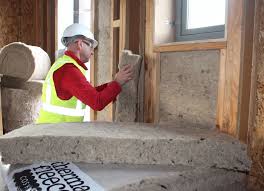
The Benefits of Sustainable Insulation for a Greener Future
Insulating our homes and buildings is crucial for energy efficiency and reducing our carbon footprint. However, traditional insulation materials often come with environmental drawbacks. This has led to the rise of sustainable insulation solutions that offer both thermal efficiency and eco-friendliness.
What is Sustainable Insulation?
Sustainable insulation refers to materials that are produced using environmentally friendly processes and are either recyclable or biodegradable. These materials aim to minimise the impact on the environment while providing effective thermal insulation for buildings.
Benefits of Sustainable Insulation
Energy Efficiency: Sustainable insulation helps reduce energy consumption by maintaining consistent indoor temperatures, reducing the need for heating and cooling.
Environmental Impact: Unlike traditional insulation materials, sustainable options are often made from recycled or natural materials, reducing waste and carbon emissions.
Healthier Indoor Environment: Many sustainable insulation materials are non-toxic and do not release harmful chemicals into the air, promoting better indoor air quality.
Longevity: Sustainable insulation is designed to be durable and long-lasting, reducing the need for frequent replacements and further minimising environmental impact.
Types of Sustainable Insulation
Recycled Fibre Insulation: Made from recycled materials such as newspapers or denim, this type of insulation offers excellent thermal performance while diverting waste from landfills.
Sheep’s Wool Insulation: Sheep’s wool is a renewable resource that provides effective insulation and has natural fire-retardant properties.
Cork Insulation: Cork is a sustainable material harvested from cork oak trees without harming the tree itself. It offers good thermal performance and soundproofing qualities.
The Future of Building Insulation
Sustainable insulation plays a vital role in creating energy-efficient buildings that contribute to a greener future. By choosing eco-friendly insulation options, we can reduce our environmental impact while creating healthier living spaces for generations to come.
7 Essential Tips for Sustainable Insulation: Maximising Efficiency and Eco-Friendliness
- Choose insulation materials made from recycled or natural resources.
- Ensure proper installation to prevent heat loss and air leakage.
- Consider using renewable insulation materials like sheep’s wool or cellulose.
- Opt for insulation with a high R-value to maximise energy efficiency.
- Seal gaps and cracks in walls, floors, and ceilings to improve insulation effectiveness.
- Use reflective barriers to reduce heat transfer in attics or roofs.
- Consult with professionals to assess the most sustainable insulation options for your property.
Choose insulation materials made from recycled or natural resources.
When considering sustainable insulation options, it is advisable to choose materials that are made from recycled or natural resources. These materials not only offer effective thermal insulation but also help reduce waste and carbon emissions. By opting for insulation made from recycled materials such as newspapers or denim, or natural resources like sheep’s wool or cork, you can contribute to a more eco-friendly building environment while enjoying the benefits of energy efficiency and environmental responsibility.
Ensure proper installation to prevent heat loss and air leakage.
Proper installation of sustainable insulation is essential to maximise its effectiveness in preventing heat loss and air leakage. Ensuring a tight seal and correct placement of insulation materials can significantly reduce energy consumption by maintaining a consistent indoor temperature. By paying attention to installation details, such as sealing gaps and joints, homeowners can enhance the thermal performance of their buildings while minimising environmental impact.
Consider using renewable insulation materials like sheep’s wool or cellulose.
When looking to make your home more energy-efficient and environmentally friendly, it’s worth considering using renewable insulation materials such as sheep’s wool or cellulose. Sheep’s wool is a sustainable resource that provides effective insulation properties and natural fire-retardant qualities. On the other hand, cellulose insulation is made from recycled paper and offers excellent thermal performance while reducing waste. By opting for these renewable materials, you can enhance the sustainability of your insulation choices and contribute to a greener future for our planet.
Opt for insulation with a high R-value to maximise energy efficiency.
When opting for sustainable insulation, it is advisable to choose materials with a high R-value to maximise energy efficiency. The R-value indicates the insulation’s thermal resistance, with higher values signifying better insulating properties. By selecting insulation with a high R-value, you can enhance the energy efficiency of your building, reduce heat loss or gain, and ultimately lower your carbon footprint. Prioritising materials with superior thermal performance not only benefits the environment but also contributes to creating a more comfortable and sustainable living or working space.
Seal gaps and cracks in walls, floors, and ceilings to improve insulation effectiveness.
Sealing gaps and cracks in walls, floors, and ceilings is a simple yet effective tip for enhancing the effectiveness of insulation in buildings. By preventing air leaks through these openings, the overall thermal performance of the insulation is significantly improved. This not only helps maintain a more consistent indoor temperature but also reduces energy consumption by minimising the need for heating and cooling. Proper sealing contributes to a more energy-efficient and sustainable living environment, ultimately leading to lower utility costs and a reduced carbon footprint.
Use reflective barriers to reduce heat transfer in attics or roofs.
By incorporating reflective barriers in attics or roofs, one can effectively reduce heat transfer and enhance the energy efficiency of a building. These barriers work by reflecting radiant heat away from the interior, helping to maintain cooler temperatures in the summer and warmer temperatures in the winter. By minimising heat transfer, reflective barriers not only improve thermal comfort but also contribute to lower energy consumption and reduced utility costs. This sustainable insulation technique offers a practical and eco-friendly solution to enhance the overall performance of a building while reducing its environmental impact.
Consult with professionals to assess the most sustainable insulation options for your property.
When considering sustainable insulation for your property, it is advisable to consult with professionals to assess the most suitable and eco-friendly options available. Professionals can provide valuable insights into the various sustainable insulation materials and techniques that align with your property’s specific needs and environmental goals. By seeking expert advice, you can make informed decisions that not only enhance energy efficiency but also contribute to a more sustainable future for your home or building.
Tags: cellulose, cork, denim, energy efficiency, environmental impact, natural materials, newspapers, recycled materials, renewable insulation materials, sheep's wool, sustainable insulation