
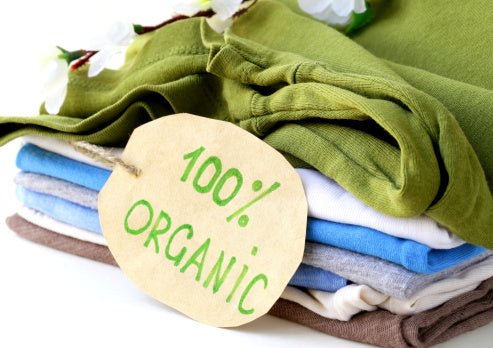
The Rise of Sustainable Fabrics in Clothing
In recent years, there has been a growing awareness of the environmental impact of the fashion industry. As a result, more and more clothing brands are turning to sustainable fabrics as a way to reduce their carbon footprint and promote eco-friendly practices.
Sustainable fabrics are materials that are produced in an environmentally and socially responsible manner. They are often made from natural, renewable sources such as organic cotton, hemp, bamboo, and linen. These fabrics require less water and energy to produce compared to traditional materials like polyester or conventional cotton.
Organic cotton, for example, is grown without the use of harmful pesticides or synthetic fertilisers, making it better for the environment and the health of farmers. Hemp is another sustainable fabric that requires minimal water and can grow in various soil conditions without the need for chemical inputs.
Bamboo fabric is known for its softness and breathability, making it a popular choice for eco-conscious consumers. Bamboo is a fast-growing plant that does not require pesticides or fertilisers to thrive. Linen, made from the flax plant, is also considered sustainable due to its biodegradability and low environmental impact.
By choosing clothing made from sustainable fabrics, consumers can support ethical production practices and reduce their contribution to pollution and waste. Many brands now offer eco-friendly options in their collections, providing consumers with stylish and environmentally conscious choices.
As the demand for sustainable fashion continues to grow, it is clear that sustainable fabrics are not just a trend but a necessary step towards a more sustainable future for the fashion industry.
9 Tips for Choosing Sustainable Fabrics: A Guide to Eco-Friendly Clothing Choices
- Choose organic cotton to reduce pesticide use
- Opt for bamboo fabric which is biodegradable
- Look for clothes made from hemp, a fast-growing plant that requires little water and no pesticides
- Consider Tencel (lyocell) which is made from wood pulp sourced from sustainably managed forests
- Select clothing made from recycled polyester to reduce plastic waste
- Explore linen as it is made from flax plant which requires less water and pesticides compared to cotton
- Invest in wool clothing as it is renewable and biodegradable
- Check for garments made from recycled materials such as recycled nylon or polyester
- Support brands using innovative sustainable fabrics like pineapple leather or mushroom leather
Choose organic cotton to reduce pesticide use
Opting for organic cotton when selecting clothing can significantly contribute to reducing pesticide use in the fashion industry. Organic cotton is cultivated without the use of harmful pesticides or synthetic fertilisers, promoting healthier soil and water systems. By prioritising organic cotton garments, individuals can support sustainable farming practices and minimise their environmental impact while enjoying clothing that is both comfortable and eco-friendly.
Opt for bamboo fabric which is biodegradable
Opting for bamboo fabric, which is biodegradable, is a great choice for those looking to make more sustainable clothing decisions. Bamboo is a fast-growing plant that requires minimal water and no pesticides to thrive, making it an eco-friendly option. By choosing bamboo fabric, not only are you selecting a material that is gentle on the environment during production, but you are also contributing to reducing the amount of non-biodegradable waste in landfills.
Look for clothes made from hemp, a fast-growing plant that requires little water and no pesticides
When searching for sustainable clothing options, consider garments made from hemp. Hemp is a rapidly growing plant that thrives with minimal water and without the need for pesticides. By choosing clothes crafted from hemp fabric, you are not only supporting eco-friendly practices but also contributing to the conservation of water resources and reducing the reliance on harmful chemicals in the fashion industry.
Consider Tencel (lyocell) which is made from wood pulp sourced from sustainably managed forests
When choosing sustainable fabrics for clothing, it is advisable to consider Tencel (lyocell), which is derived from wood pulp obtained from responsibly managed forests. Tencel is known for its softness, breathability, and eco-friendly production process. By opting for Tencel garments, consumers can support sustainable forestry practices and reduce their environmental impact without compromising on quality or comfort.
Select clothing made from recycled polyester to reduce plastic waste
Choosing clothing made from recycled polyester is a great way to contribute to sustainability efforts and reduce plastic waste. By opting for garments crafted from recycled polyester, individuals can help divert plastic bottles and other plastic waste from landfills and oceans, giving them a new life as functional and stylish clothing items. This eco-friendly choice not only promotes the circular economy but also supports the reduction of virgin polyester production, which has a significant environmental impact. Making conscious decisions like selecting recycled polyester clothing can make a positive difference in minimising the fashion industry’s contribution to plastic pollution.
Explore linen as it is made from flax plant which requires less water and pesticides compared to cotton
Linen, derived from the flax plant, is a fantastic sustainable fabric option for clothing due to its minimal environmental impact. Unlike cotton, linen production requires significantly less water and pesticides, making it a more eco-friendly choice for conscious consumers. By exploring linen as a clothing material, individuals can embrace a sustainable lifestyle while enjoying the benefits of a breathable and durable fabric.
Invest in wool clothing as it is renewable and biodegradable
Investing in wool clothing is a smart choice for those looking to embrace sustainable fashion. Wool is a renewable resource that can be harvested from sheep without causing harm to the animals. Additionally, wool is biodegradable, meaning it will naturally break down over time, reducing its impact on the environment. By opting for wool garments, consumers can enjoy high-quality clothing while supporting eco-friendly practices in the fashion industry.
Check for garments made from recycled materials such as recycled nylon or polyester
When shopping for clothing, it is advisable to look for garments made from recycled materials like recycled nylon or polyester. These fabrics are a great choice for eco-conscious consumers as they help reduce the demand for new raw materials and promote a circular economy. By opting for clothing made from recycled materials, individuals can play a part in minimising waste and supporting sustainable practices in the fashion industry.
Support brands using innovative sustainable fabrics like pineapple leather or mushroom leather
Supporting brands that utilise innovative sustainable fabrics such as pineapple leather or mushroom leather can significantly contribute to reducing the environmental impact of the fashion industry. Pineapple leather, also known as Piñatex, is made from pineapple leaf fibres, a by-product of the pineapple industry, making it a cruelty-free and eco-friendly alternative to traditional leather. Similarly, mushroom leather, derived from mycelium (the root structure of mushrooms), offers a biodegradable and renewable option for clothing materials. By choosing garments made from these cutting-edge sustainable fabrics, consumers can not only make a stylish statement but also support brands that are pioneering sustainable practices in fashion.
Tags: bamboo, clothing brands, environmental impact, ethical production practices, hemp, linen, pollution reduction, sustainable fabrics, sustainable fabrics for clothing, sustainable fashion, waste reduction