
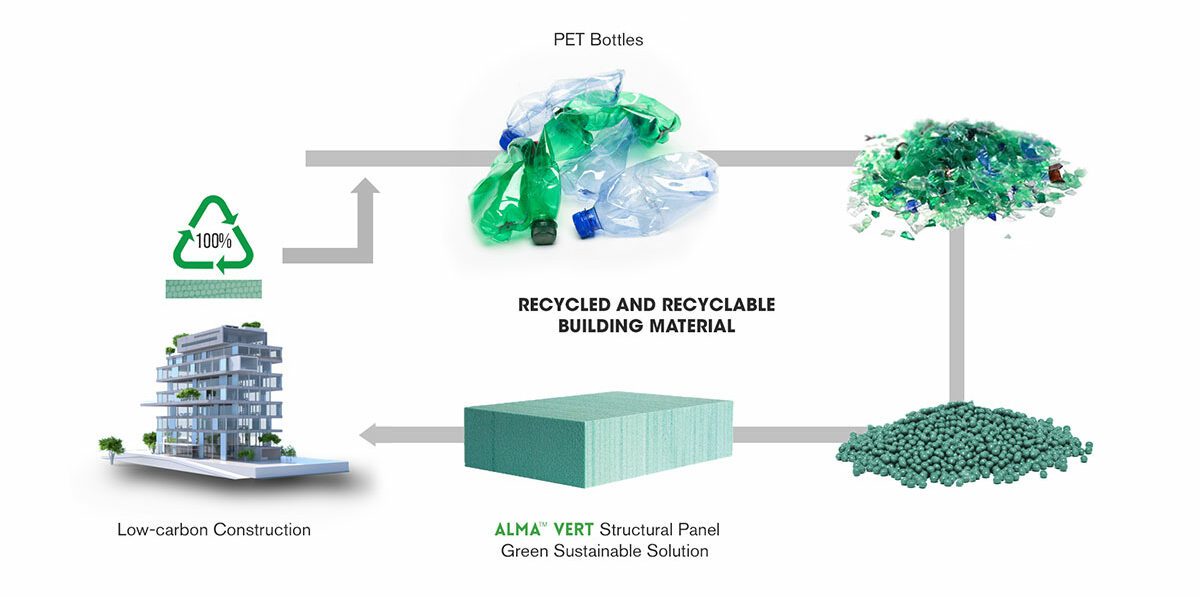
The Rise of Green Building Materials
Green building materials have gained significant popularity in recent years as the construction industry shifts towards sustainability and environmental consciousness. These materials offer a range of benefits that not only reduce the environmental impact of buildings but also contribute to healthier indoor spaces and long-term cost savings.
What are Green Building Materials?
Green building materials are products and techniques that are environmentally responsible throughout their lifecycle, from sourcing to disposal. They are typically made from renewable or recycled resources and are designed to minimise energy consumption, waste generation, and harmful emissions.
Benefits of Using Green Building Materials
Using green building materials offers numerous advantages, including:
- Energy Efficiency: Green materials often have superior insulation properties, reducing heating and cooling costs.
- Sustainability: By using renewable or recycled resources, green materials help conserve natural resources and reduce carbon footprint.
- Improved Indoor Air Quality: Many green materials emit fewer volatile organic compounds (VOCs), promoting healthier indoor environments.
- Durability: Green materials are often more durable and require less maintenance, leading to long-term cost savings.
Examples of Green Building Materials
There is a wide variety of green building materials available today, including:
- Bamboo: A rapidly renewable resource that can be used for flooring, furniture, and structural elements.
- Solar Panels: Generate clean energy and reduce reliance on traditional power sources.
- Rammed Earth: A sustainable building technique using compacted earth for walls that provide excellent thermal mass properties.
- Recycled Glass Countertops: Made from recycled glass chips embedded in concrete or resin for eco-friendly kitchen surfaces.
The Future of Sustainable Construction
The adoption of green building materials is expected to continue growing as regulations tighten around environmental standards and as more consumers demand eco-friendly options. By incorporating these materials into construction projects, we can create buildings that not only benefit the environment but also promote healthier living spaces for generations to come.
8 Essential Tips for Choosing Eco-Friendly Building Materials in the UK
- Choose materials that are locally sourced to reduce carbon emissions from transportation.
- Opt for renewable materials like bamboo, cork, or reclaimed wood.
- Select products with high recycled content to minimise waste and resource depletion.
- Prioritize materials that are non-toxic and have low VOC (volatile organic compound) emissions.
- Consider using natural insulation materials such as sheep’s wool or cellulose fibre.
- Choose energy-efficient materials like double-glazed windows and insulated concrete forms.
- Opt for water-saving fixtures and fittings to reduce water consumption in the building.
- Use sustainable roofing materials such as solar panels or green roofs to improve energy efficiency and reduce heat island effect.
Choose materials that are locally sourced to reduce carbon emissions from transportation.
Choosing materials that are locally sourced is a key tip in green building practices as it helps to significantly reduce carbon emissions associated with transportation. By sourcing materials from nearby suppliers, construction projects can lower their environmental impact by cutting down on the energy and emissions generated during transportation. This not only supports the local economy but also contributes to a more sustainable construction process that benefits both the environment and the community.
Opt for renewable materials like bamboo, cork, or reclaimed wood.
When incorporating green building materials into construction projects, opting for renewable materials such as bamboo, cork, or reclaimed wood can significantly enhance sustainability efforts. These materials are sourced from rapidly renewable resources or repurposed sources, reducing the demand for virgin timber and minimising environmental impact. Bamboo, known for its fast growth rate and strength, is a versatile option for various applications. Cork offers excellent insulation properties and is harvested without harming the tree. Reclaimed wood not only adds character to structures but also helps reduce deforestation by giving new life to old timber. Choosing these renewable materials promotes eco-friendly building practices and contributes to a more sustainable future.
Select products with high recycled content to minimise waste and resource depletion.
By selecting products with high recycled content for construction projects, builders can significantly reduce waste generation and lessen the depletion of natural resources. Utilising materials that have been recycled helps to divert waste from landfills and promotes a more sustainable approach to building. Not only does this practice contribute to a more environmentally friendly construction process, but it also supports the circular economy by giving new life to materials that would otherwise be discarded.
Prioritize materials that are non-toxic and have low VOC (volatile organic compound) emissions.
When selecting green building materials, it is crucial to prioritise options that are non-toxic and have low VOC (volatile organic compound) emissions. By choosing materials with these characteristics, you can significantly improve indoor air quality and create healthier living or working environments. Low VOC emissions reduce the risk of respiratory issues and other health concerns associated with exposure to harmful chemicals, ensuring a safer and more sustainable building for occupants. Making this conscious choice not only benefits the environment but also promotes the well-being of those who inhabit the space.
Consider using natural insulation materials such as sheep’s wool or cellulose fibre.
When exploring green building materials, it is advisable to consider using natural insulation options like sheep’s wool or cellulose fibre. These materials offer excellent thermal performance while being sustainable and environmentally friendly. Sheep’s wool insulation is a renewable resource that provides effective insulation and has the added benefit of being biodegradable. Cellulose fibre, made from recycled paper products, is another eco-friendly choice that offers good thermal properties and helps reduce waste. By opting for these natural insulation materials, builders can enhance energy efficiency in buildings while minimising their environmental impact.
Choose energy-efficient materials like double-glazed windows and insulated concrete forms.
When selecting green building materials, opt for energy-efficient options such as double-glazed windows and insulated concrete forms. Double-glazed windows offer superior insulation, reducing heat loss and energy consumption. Insulated concrete forms provide excellent thermal performance, improving the building’s overall energy efficiency. By choosing these materials, you not only lower your environmental impact but also create a more sustainable and cost-effective living or working space.
Opt for water-saving fixtures and fittings to reduce water consumption in the building.
Opting for water-saving fixtures and fittings is a crucial tip when incorporating green building materials. By choosing these efficient plumbing solutions, such as low-flow toilets, faucets, and showerheads, buildings can significantly reduce water consumption. This not only helps conserve this precious resource but also lowers utility costs and minimises the environmental impact of excessive water usage. Implementing water-saving fixtures is a simple yet effective way to promote sustainability and eco-friendliness in construction projects.
Use sustainable roofing materials such as solar panels or green roofs to improve energy efficiency and reduce heat island effect.
Using sustainable roofing materials, such as solar panels or green roofs, is a smart choice to enhance energy efficiency and combat the heat island effect in buildings. Solar panels harness renewable energy from the sun to power homes and reduce reliance on traditional energy sources. Green roofs, covered with vegetation, help insulate buildings, absorb heat, and reduce the urban heat island effect by mitigating temperature fluctuations. By incorporating these sustainable roofing options, not only can buildings become more energy-efficient but also contribute to a greener and healthier environment.
Tags: bamboo, benefits, carbon emissions reduction, cork, cost savings, durability, eco-friendly options, energy efficiency, environmental impact, green building materials, indoor air quality, locally sourced materials, rammed earth, reclaimed wood, recycled glass countertops, recycled resources, regulations, renewable materials, renewable resources, solar panels, sustainability, sustainable construction, transportation impact reduction