
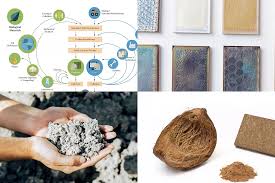
The Rise of Eco-Friendly Materials: A Sustainable Choice
In recent years, the importance of using eco-friendly materials has gained significant traction across various industries. From construction to fashion, businesses and consumers alike are increasingly opting for sustainable alternatives to traditional materials.
One of the key reasons driving this shift towards eco-friendly materials is the growing concern for the environment. Traditional materials such as plastics and certain metals can have a detrimental impact on the planet, contributing to pollution and resource depletion. By choosing eco-friendly materials, we can reduce our carbon footprint and help preserve natural resources for future generations.
Eco-friendly materials come in various forms, including recycled plastics, organic fabrics, bamboo, cork, and more. These materials are often biodegradable or recyclable, making them a more sustainable choice in the long run. Additionally, many eco-friendly materials are produced using processes that minimise waste and energy consumption, further reducing their environmental impact.
Another benefit of using eco-friendly materials is their potential to improve indoor air quality. Traditional building materials can release harmful chemicals known as volatile organic compounds (VOCs) into the air, contributing to indoor air pollution. In contrast, many eco-friendly materials are low in VOCs or VOC-free, creating healthier living and working environments.
Businesses that embrace eco-friendly materials not only demonstrate their commitment to sustainability but also appeal to environmentally conscious consumers. With an increasing demand for sustainable products, companies that prioritise eco-friendly materials can gain a competitive edge in the market while contributing to a greener future.
In conclusion, the use of eco-friendly materials presents numerous benefits for both the environment and society as a whole. By choosing sustainable alternatives over traditional materials, we can make a positive impact on the planet and pave the way for a more sustainable future.
Understanding Eco-Friendly Materials: Key Questions and Insights
- What are eco-friendly materials?
- Why are eco-friendly materials important?
- How are eco-friendly materials different from traditional materials?
- What are some examples of eco-friendly materials?
- Are eco-friendly materials more expensive than traditional materials?
- How can I identify if a material is truly eco-friendly?
- What are the benefits of using eco-friendly materials in construction?
- How can businesses incorporate eco-friendly materials into their products?
What are eco-friendly materials?
Eco-friendly materials refer to sustainable alternatives that are designed to have minimal impact on the environment throughout their lifecycle. These materials are typically sourced from renewable resources, recycled content, or produced using processes that reduce energy consumption and waste generation. Examples of eco-friendly materials include organic fabrics, bamboo, cork, recycled plastics, and biodegradable packaging. By choosing eco-friendly materials, individuals and businesses can contribute to environmental conservation efforts and promote a more sustainable way of living.
Why are eco-friendly materials important?
The importance of eco-friendly materials lies in their ability to reduce environmental impact and promote sustainability. By choosing eco-friendly materials over traditional counterparts, we can minimise resource depletion, reduce pollution, and lower our carbon footprint. These sustainable alternatives are often biodegradable or recyclable, contributing to a circular economy and helping to preserve natural resources for future generations. Eco-friendly materials also have the potential to improve indoor air quality by minimising the release of harmful chemicals. Overall, embracing eco-friendly materials is crucial for mitigating environmental damage, promoting a healthier planet, and creating a more sustainable future for all.
How are eco-friendly materials different from traditional materials?
Eco-friendly materials differ from traditional materials in several key ways. Firstly, eco-friendly materials are sourced and produced using sustainable practices that minimise harm to the environment, such as reducing carbon emissions and conserving natural resources. In contrast, traditional materials often involve processes that contribute to pollution and resource depletion. Secondly, eco-friendly materials are designed to be biodegradable or recyclable, promoting a circular economy and reducing waste. Traditional materials, on the other hand, may end up in landfills or oceans, causing long-lasting environmental damage. By choosing eco-friendly materials, we can make a conscious effort to protect the planet for future generations.
What are some examples of eco-friendly materials?
There are several examples of eco-friendly materials that are gaining popularity due to their sustainability and minimal environmental impact. Some common examples include recycled plastics, organic cotton, bamboo, cork, reclaimed wood, hemp, and bio-based fabrics such as Tencel and Piñatex. These materials are often biodegradable, recyclable, or sourced from renewable resources, making them a more sustainable choice compared to traditional materials. By incorporating eco-friendly materials into products and construction projects, individuals and businesses can contribute to a greener future and reduce their carbon footprint.
Are eco-friendly materials more expensive than traditional materials?
The cost comparison between eco-friendly materials and traditional materials is a common concern for many consumers. While it is true that some eco-friendly materials may have a higher upfront cost than their traditional counterparts, it is important to consider the long-term benefits. In many cases, the durability and sustainability of eco-friendly materials can result in cost savings over time, as they often require less maintenance and replacement. Additionally, as the demand for eco-friendly materials continues to grow, economies of scale are driving down production costs, making them more affordable and accessible to a wider audience. Ultimately, investing in eco-friendly materials not only contributes to a greener planet but can also be a wise financial decision in the long run.
How can I identify if a material is truly eco-friendly?
Identifying whether a material is truly eco-friendly can be a complex task, but there are several key factors to consider. Firstly, look for certifications or labels from reputable organisations that verify the sustainability and environmental impact of the material. These certifications often indicate that the material has been produced using eco-friendly practices and meets certain standards. Additionally, consider the lifecycle of the material – from sourcing to disposal. Eco-friendly materials are typically sourced responsibly, produced using low-energy processes, and are either biodegradable or recyclable. Conducting research on the manufacturer’s environmental policies and practices can also provide insight into the material’s eco-friendliness. Remember to look beyond marketing claims and delve deeper into the production process and environmental impact of the material to make an informed decision.
What are the benefits of using eco-friendly materials in construction?
Using eco-friendly materials in construction offers a multitude of benefits that extend beyond the building process. Not only do these materials help reduce environmental impact by conserving natural resources and minimising waste, but they also contribute to improved indoor air quality and occupant health. Eco-friendly materials often have lower levels of harmful emissions, such as volatile organic compounds (VOCs), compared to traditional building materials, creating healthier living and working environments. Additionally, choosing sustainable materials can lead to long-term cost savings through energy efficiency and reduced maintenance requirements, making them a wise investment for both the environment and future generations.
How can businesses incorporate eco-friendly materials into their products?
Businesses can incorporate eco-friendly materials into their products by first conducting thorough research to identify sustainable alternatives that align with their values and goals. This may involve sourcing recycled materials, using organic or biodegradable components, or exploring innovative options such as bamboo or cork. Collaborating with suppliers who share a commitment to sustainability is crucial in ensuring a consistent supply chain of eco-friendly materials. Additionally, businesses can invest in product design and manufacturing processes that minimise waste and energy consumption, further enhancing the eco-friendliness of their products. By prioritising sustainability throughout the production cycle, businesses can successfully integrate eco-friendly materials into their offerings and contribute to a greener future.
Tags: bamboo, biodegradable, carbon footprint, competitive edge, cork, eco-friendly materials, energy consumption, environment, indoor air quality, metals, natural resources, organic fabrics, plastics, pollution, recyclable, recycled plastics, resource depletion, sustainability commitment, sustainable alternatives, traditional materials, volatile organic compounds vocs, waste reduction