
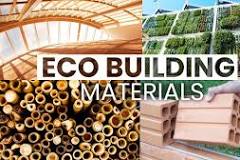
The Rise of Alternative Building Materials in Construction
In recent years, the construction industry has seen a growing interest in alternative building materials as a sustainable and innovative solution to traditional construction methods. These materials offer a range of benefits, from reducing environmental impact to improving energy efficiency and durability.
Benefits of Alternative Building Materials
One of the key advantages of alternative building materials is their sustainability. Many of these materials are renewable or recycled, helping to reduce the depletion of natural resources. Additionally, they often have lower carbon footprints compared to traditional materials, making them a more environmentally friendly choice.
Alternative building materials also offer improved energy efficiency. Materials such as straw bales, hempcrete, and rammed earth provide excellent insulation properties, reducing the need for artificial heating and cooling systems. This not only lowers energy costs but also decreases the overall carbon emissions of a building.
Types of Alternative Building Materials
There is a wide variety of alternative building materials available for construction projects. Bamboo is gaining popularity for its strength and rapid growth rate, making it an eco-friendly choice for structural elements. Recycled plastic bricks and tiles offer a durable and sustainable alternative to conventional building materials.
Cork is another versatile material that is both lightweight and insulating, suitable for flooring and wall finishes. Earthbag construction utilizes bags filled with soil or other natural materials to create sturdy walls that are earthquake-resistant and thermally efficient.
The Future of Construction
As the demand for sustainable buildings continues to rise, alternative building materials are likely to play an increasingly significant role in the construction industry. Architects, engineers, and developers are exploring new ways to incorporate these innovative materials into their projects to create environmentally friendly structures that meet the needs of modern society.
By embracing alternative building materials, we can reduce our impact on the environment while creating healthier and more efficient living spaces for current and future generations.
Exploring Alternative Building Materials: FAQs on Benefits, Sustainability, and Usage
- What are alternative building materials?
- How do alternative building materials differ from traditional materials?
- What are the benefits of using alternative building materials?
- Are alternative building materials sustainable?
- Which types of alternative building materials are commonly used?
- How can I incorporate alternative building materials into my construction project?
What are alternative building materials?
Alternative building materials refer to non-traditional substances used in construction that offer sustainable and innovative solutions to conventional building methods. These materials are often renewable, recycled, or have low environmental impacts, making them a popular choice for eco-conscious builders and architects. Examples of alternative building materials include bamboo, straw bales, hempcrete, rammed earth, recycled plastic bricks, cork, and earthbags. By utilising these alternative materials, construction projects can achieve improved energy efficiency, reduced carbon footprints, and enhanced durability while contributing to a more sustainable built environment.
How do alternative building materials differ from traditional materials?
Alternative building materials differ from traditional materials in several key ways. Firstly, alternative materials are often sourced from renewable or recycled sources, making them more sustainable and environmentally friendly. Unlike traditional materials that may deplete natural resources, alternative materials help reduce the carbon footprint of construction projects. Additionally, alternative building materials often offer superior insulation properties, energy efficiency, and durability compared to their conventional counterparts. By embracing alternative building materials, construction projects can benefit from reduced environmental impact and enhanced performance for a more sustainable future in the built environment.
What are the benefits of using alternative building materials?
When considering the benefits of using alternative building materials, it becomes evident that they offer a range of advantages that contribute to sustainable and innovative construction practices. These materials are often renewable or recycled, promoting environmental conservation by reducing the depletion of natural resources. Additionally, alternative building materials tend to have lower carbon footprints compared to traditional options, making them a more eco-friendly choice. Improved energy efficiency is another key benefit, as many alternative materials provide excellent insulation properties, helping to lower energy costs and decrease overall carbon emissions in buildings. By embracing alternative building materials, we not only create more sustainable structures but also pave the way for a greener and more resilient future in the construction industry.
Are alternative building materials sustainable?
Alternative building materials are often considered sustainable due to their eco-friendly properties and reduced environmental impact. These materials, such as bamboo, recycled plastic, and cork, are typically renewable, recycled, or low-carbon options that help conserve natural resources and reduce carbon emissions. By choosing alternative building materials, construction projects can contribute to a more sustainable future by promoting energy efficiency, reducing waste, and supporting a greener building industry.
Which types of alternative building materials are commonly used?
Various types of alternative building materials are commonly used in construction projects seeking sustainable and innovative solutions. Bamboo, known for its strength and rapid growth rate, is a popular choice for structural elements. Recycled plastic bricks and tiles offer a durable and eco-friendly alternative to traditional materials. Cork, valued for its lightweight properties and insulation capabilities, is often used for flooring and wall finishes. Earthbag construction, utilizing bags filled with natural materials like soil, provides earthquake-resistant and thermally efficient walls. These are just a few examples of the diverse range of alternative building materials that are increasingly being incorporated into modern construction practices.
How can I incorporate alternative building materials into my construction project?
When considering the incorporation of alternative building materials into a construction project, it is essential to start by conducting thorough research and consulting with professionals who have experience working with these materials. Begin by identifying the specific needs and goals of your project, such as sustainability, energy efficiency, or cost-effectiveness. Explore the diverse range of alternative materials available, considering factors like durability, insulation properties, and compatibility with existing construction methods. Collaborating with architects, engineers, and suppliers who specialise in alternative building materials can provide valuable insights and guidance throughout the planning and implementation stages. By carefully selecting and integrating these innovative materials into your project design, you can create a more sustainable and environmentally conscious building that meets your desired objectives.
Tags: alternative building materials, benefits, construction, durability, eco-friendly choice, energy costs, improving energy efficiency, innovative, lower carbon footprints, recycled, reducing environmental impact, renewable, sustainability, sustainable, traditional methods