
The Rise of Eco-Friendly Homes: Building a Sustainable Future
In recent years, there has been a growing trend towards eco-friendly homes as more people become aware of the importance of sustainability and environmental conservation. These homes are designed and built with the goal of reducing their impact on the environment while providing a comfortable and healthy living space for residents.
Features of Eco-Friendly Homes
Eco-friendly homes incorporate various features and technologies that help minimise energy consumption and promote sustainability. Some common features include:
- Solar panels for renewable energy generation
- Energy-efficient appliances and lighting
- Proper insulation to reduce heating and cooling costs
- Water-saving fixtures such as low-flow toilets and faucets
- Use of sustainable materials in construction
Benefits of Eco-Friendly Homes
The benefits of living in an eco-friendly home are manifold. Not only do these homes help reduce carbon footprint and contribute to environmental preservation, but they also offer financial savings in the long run. By using less energy and water, residents can lower their utility bills while enjoying a healthier indoor environment.
The Future of Sustainable Living
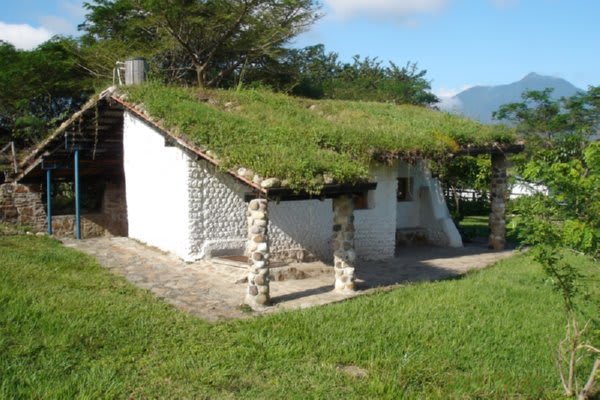
As the demand for eco-friendly homes continues to rise, architects, builders, and developers are increasingly incorporating sustainable practices into their projects. From green roofs to passive solar design, there are numerous innovative ways to create homes that are both environmentally friendly and aesthetically pleasing.
Joining the Movement Towards Sustainability
Whether you are considering building a new home or renovating your current one, embracing eco-friendly practices can have a positive impact on both your quality of life and the planet. By choosing to live in an eco-friendly home, you are not only reducing your carbon footprint but also inspiring others to make sustainable choices for a greener future.
Together, we can build a more sustainable world one eco-friendly home at a time.
8 Essential Tips for Creating an Eco-Friendly Home
- Install energy-efficient appliances
- Use eco-friendly building materials
- Implement proper insulation to reduce energy consumption
- Harvest rainwater for various household uses
- Utilize natural light and ventilation to reduce reliance on artificial lighting and air conditioning
- Plant a green roof or create a rooftop garden for insulation and biodiversity
- Set up a composting system for organic waste disposal
- Incorporate solar panels or other renewable energy sources
Install energy-efficient appliances
Installing energy-efficient appliances is a key tip for creating an eco-friendly home. These appliances are designed to consume less electricity, helping to reduce energy consumption and lower utility bills. By choosing energy-efficient models for your kitchen, laundry room, and other areas of the house, you can make a significant impact on both the environment and your household budget. Additionally, these appliances often have advanced features that enhance convenience and functionality while minimising their environmental footprint.
Use eco-friendly building materials
Using eco-friendly building materials is a crucial step in creating sustainable and environmentally conscious homes. By opting for materials that are renewable, recyclable, or have minimal impact on the environment, homeowners can significantly reduce their carbon footprint during construction. From bamboo flooring to recycled glass countertops, incorporating eco-friendly building materials not only helps conserve natural resources but also promotes healthier indoor air quality for residents. Making informed choices about the materials used in home construction is a key aspect of creating a truly eco-friendly living space that benefits both the inhabitants and the planet.
Implement proper insulation to reduce energy consumption
Implementing proper insulation is a crucial step in creating an eco-friendly home. By ensuring that your home is well-insulated, you can significantly reduce energy consumption and lower heating and cooling costs. Proper insulation helps maintain a consistent indoor temperature, reducing the need for excessive heating or cooling. This not only benefits the environment by decreasing carbon emissions but also results in long-term cost savings for homeowners. Investing in quality insulation is a simple yet effective way to make your home more energy-efficient and sustainable.
Harvest rainwater for various household uses
Harvesting rainwater for various household uses is a simple yet effective way to promote sustainability in eco-friendly homes. By collecting rainwater, homeowners can reduce their reliance on treated water sources for activities such as watering plants, washing cars, and flushing toilets. Not only does this practice help conserve precious freshwater resources, but it also lowers utility costs and reduces the overall environmental impact of the household. Embracing rainwater harvesting is a practical step towards creating a more self-sufficient and environmentally conscious living space.
Utilize natural light and ventilation to reduce reliance on artificial lighting and air conditioning
By maximising the use of natural light and ventilation in eco-friendly homes, residents can significantly decrease their dependence on artificial lighting and air conditioning systems. Incorporating large windows, skylights, and strategically placed openings allows natural light to illuminate living spaces, reducing the need for electric lighting during the day. Similarly, well-designed ventilation systems can promote airflow and cooling within the home, lessening the reliance on energy-intensive air conditioning units. Embracing these natural elements not only enhances the sustainability of the home but also creates a more comfortable and eco-conscious living environment for its occupants.
Plant a green roof or create a rooftop garden for insulation and biodiversity
Planting a green roof or creating a rooftop garden on your home is a fantastic tip for enhancing the eco-friendliness of your living space. Not only does it provide natural insulation, helping to regulate indoor temperatures and reduce energy consumption, but it also promotes biodiversity by creating a habitat for plants and wildlife. By incorporating this green feature into your home, you not only contribute to environmental conservation but also create a beautiful and sustainable living environment.
Set up a composting system for organic waste disposal
Setting up a composting system for organic waste disposal is a simple yet effective way to promote sustainability in eco-friendly homes. By composting kitchen scraps and yard waste, homeowners can reduce the amount of waste sent to landfills while creating nutrient-rich soil for gardening. Not only does composting help divert organic matter from the waste stream, but it also contributes to healthier soil and plants, making it a win-win solution for both the environment and garden enthusiasts.
Incorporate solar panels or other renewable energy sources
Incorporating solar panels or other renewable energy sources is a key tip for creating an eco-friendly home. By harnessing the power of the sun or other sustainable energy sources, homeowners can significantly reduce their reliance on traditional electricity grids powered by fossil fuels. Solar panels not only help lower energy bills but also contribute to a cleaner environment by reducing carbon emissions. Embracing renewable energy sources is a proactive step towards building a more sustainable and eco-conscious home for a greener future.
Tags: carbon footprint, energy consumption, energy-efficient appliances, environmental conservation, financial savings, green roofs, passive solar design, proper insulation, quality of life, renewable energy, solar panels, sustainability, sustainable future, sustainable materials