
Ways to Be Sustainable in Everyday Life
In today’s world, being environmentally conscious and practicing sustainability is more important than ever. Making small changes in our daily routines can have a significant impact on the planet. Here are some simple ways to incorporate sustainability into your everyday life:
Reduce, Reuse, Recycle
Start by reducing your waste output. Use reusable bags when shopping, opt for products with minimal packaging, and recycle items whenever possible. Repurpose old items instead of throwing them away.
Conserve Energy
Turn off lights and unplug electronic devices when not in use. Use energy-efficient appliances and consider installing solar panels to reduce your carbon footprint.
Save Water
Fix leaky faucets, take shorter showers, and collect rainwater for gardening. Being mindful of water usage helps conserve this precious resource.
Choose Sustainable Products
Support companies that prioritise sustainability by purchasing eco-friendly products made from recycled materials or renewable resources. Look for certifications like Fair Trade or Organic.
Eat Sustainably
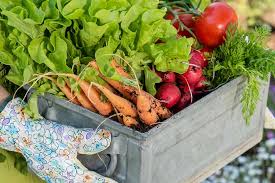
Reduce your meat consumption and choose locally sourced, organic produce whenever possible. Eating a plant-based diet has a lower environmental impact and promotes better health.
Use Public Transport or Carpool
Avoid driving alone by using public transport, cycling, or carpooling with others. This helps reduce emissions and traffic congestion while saving money on fuel.
Support Sustainable Practices
Vote with your wallet by supporting businesses that follow sustainable practices and advocate for policies that protect the environment. Stay informed about environmental issues and take action where you can.
By incorporating these sustainable habits into your daily life, you can make a positive difference for the planet and future generations. Remember that every small step counts towards creating a more sustainable world for all.
Five Everyday Tips for Living Sustainably
- Reduce single-use plastic by using reusable bags, bottles, and containers.
- Save energy by turning off lights and unplugging electronics when not in use.
- Opt for public transport, biking, or walking instead of driving alone to reduce carbon emissions.
- Buy local and seasonal produce to support local farmers and reduce the carbon footprint of food transportation.
- Recycle paper, glass, plastic, and other materials to minimise waste sent to landfills.
Reduce single-use plastic by using reusable bags, bottles, and containers.
By reducing single-use plastic through the use of reusable bags, bottles, and containers, individuals can significantly contribute to a more sustainable lifestyle. Opting for reusable alternatives not only helps in minimising waste but also plays a crucial role in reducing plastic pollution in our environment. Making this simple switch in daily habits can have a lasting positive impact on the planet by lessening the reliance on disposable plastics that harm ecosystems and wildlife.
Save energy by turning off lights and unplugging electronics when not in use.
One effective way to practice sustainability in everyday life is by saving energy through simple actions such as turning off lights and unplugging electronics when they are not in use. By being mindful of our energy consumption habits, we can reduce unnecessary electricity usage and lower our carbon footprint. This small yet impactful change not only helps to conserve energy resources but also contributes to a more sustainable and eco-friendly lifestyle.
Opt for public transport, biking, or walking instead of driving alone to reduce carbon emissions.
Opting for public transport, biking, or walking instead of driving alone is a simple yet effective way to reduce carbon emissions in our daily lives. By choosing these alternative modes of transportation, we can contribute to lowering air pollution levels and decreasing our carbon footprint. Not only does this choice benefit the environment, but it also promotes healthier and more active lifestyles while reducing traffic congestion on the roads. Making this conscious decision can have a significant impact on creating a more sustainable future for our planet.
Buy local and seasonal produce to support local farmers and reduce the carbon footprint of food transportation.
By choosing to buy local and seasonal produce, you not only support local farmers but also play a crucial role in reducing the carbon footprint associated with food transportation. By opting for fruits and vegetables that are in season and grown closer to home, you help minimise the environmental impact of long-distance shipping and storage. This simple yet impactful choice promotes sustainability by fostering a connection between consumers and local food systems, ultimately leading to a healthier planet for all.
Recycle paper, glass, plastic, and other materials to minimise waste sent to landfills.
Recycling paper, glass, plastic, and other materials is a simple yet effective way to reduce waste sent to landfills and promote sustainability in everyday life. By separating recyclable items from general waste and ensuring they are properly recycled, we can conserve valuable resources, reduce energy consumption, and minimise the environmental impact of our consumption habits. Embracing recycling as a regular practice not only helps protect the planet but also contributes to a cleaner and healthier environment for present and future generations.
Tags: bottles, carpooling, conserve energy, containers, eat sustainably, energy saving, public transport, recycle, reduce, reusable bags, reuse, save water, support sustainable practices, sustainability, sustainable, sustainable products, ways to be sustainable in everyday life