
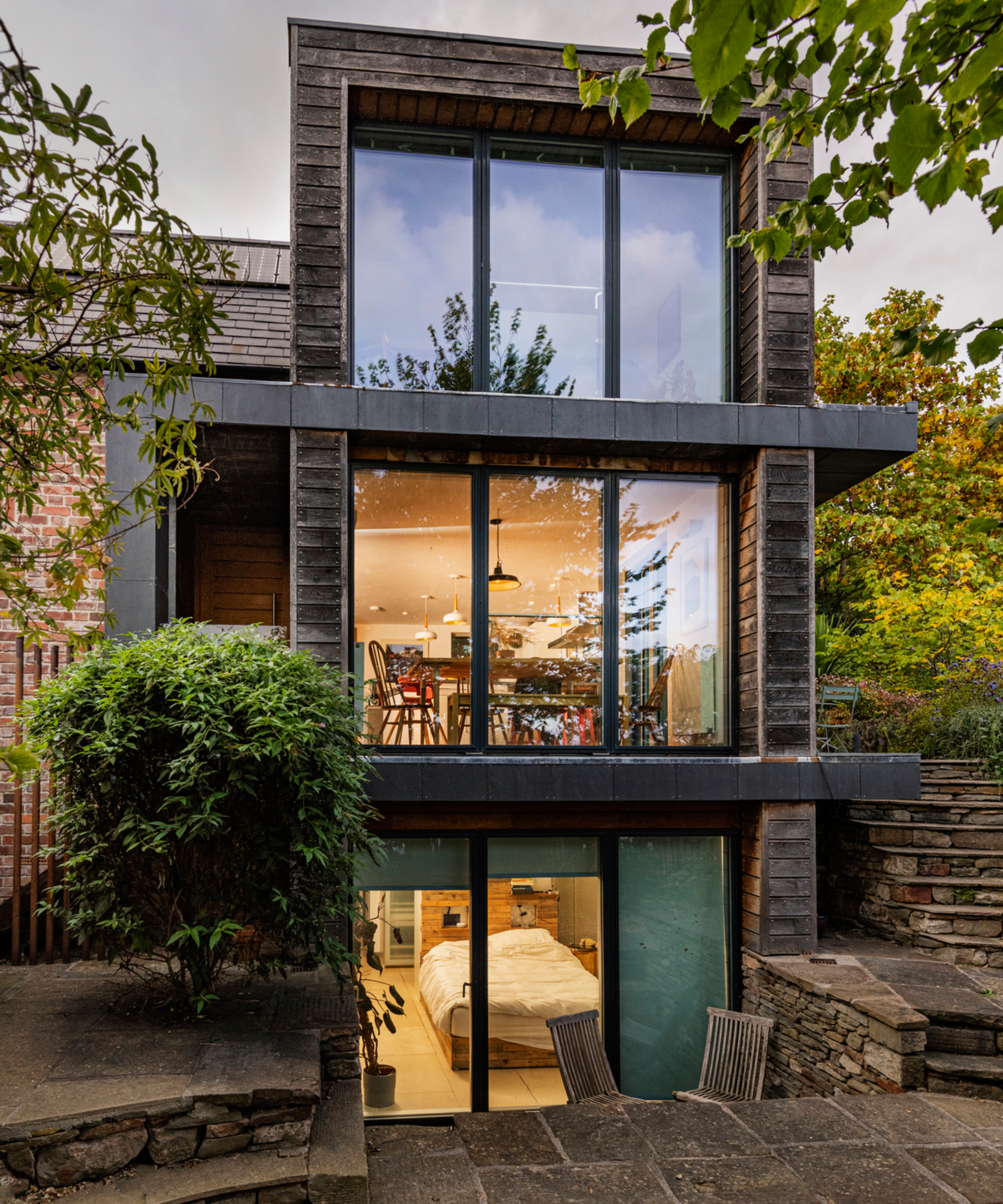
The Rise of Eco-Friendly Homes: Building a Sustainable Future
In recent years, the concept of eco-friendly homes has gained significant traction as more and more people are becoming aware of the importance of sustainability and environmental conservation. These homes are designed to minimise their impact on the environment while providing a healthy and comfortable living space for residents.
Key Features of Eco-Friendly Homes
Eco-friendly homes incorporate various features and technologies to reduce energy consumption, water usage, and waste production. Some common features include:
- Solar Panels: Harnessing solar energy to power the home’s electricity needs.
- Energy-Efficient Appliances: Using appliances that are designed to consume less energy.
- Rainwater Harvesting Systems: Collecting rainwater for non-potable uses such as watering gardens or flushing toilets.
- Natural Insulation: Using materials like wool or recycled denim for insulation purposes.
- Ventilation Systems: Implementing systems that promote natural airflow and reduce the need for artificial heating or cooling.
The Benefits of Eco-Friendly Homes
Living in an eco-friendly home offers numerous benefits, both for residents and the environment. Some of these benefits include:
- Lower Utility Bills: Energy-efficient features can significantly reduce utility costs over time.
- Improved Indoor Air Quality: Natural ventilation systems help maintain a healthy indoor environment.
- Reduced Carbon Footprint: By using renewable energy sources and minimising waste, eco-friendly homes contribute to reducing greenhouse gas emissions.
- Increase in Property Value: Eco-friendly features are increasingly valued in the real estate market, potentially leading to higher property resale values.
The Future of Sustainable Living
The growing popularity of eco-friendly homes reflects a broader shift towards sustainable living practices. As concerns about climate change and resource depletion continue to rise, adopting eco-friendly housing solutions becomes crucial in building a more sustainable future for generations to come.
Whether through new construction or retrofitting existing properties, embracing eco-friendly principles in home design is a positive step towards creating healthier, more efficient living spaces that benefit both individuals and the planet as a whole.
7 Benefits of Eco-Friendly Homes: From Lower Bills to Enhanced Health and Sustainability
- Lower utility bills due to energy-efficient features
- Improved indoor air quality with natural ventilation systems
- Reduced carbon footprint through renewable energy sources
- Increased property value in the real estate market
- Healthier living environment for residents
- Contribution to environmental conservation and sustainability
- Long-term cost savings and return on investment
Challenges of Eco-Friendly Homes: Costs, Availability, and Design Constraints
- Initial Cost
- Limited Availability
- Maintenance Challenges
- Adaptation Period
- Resale Value Uncertainty
- Design Limitations
Lower utility bills due to energy-efficient features
One significant advantage of eco-friendly homes is the potential for lower utility bills attributed to their energy-efficient features. By incorporating technologies such as solar panels, energy-efficient appliances, and natural insulation, these homes can significantly reduce energy consumption and costs over time. This not only benefits homeowners financially but also contributes to a more sustainable lifestyle by decreasing reliance on traditional energy sources and minimising carbon emissions.
Improved indoor air quality with natural ventilation systems
One significant advantage of eco-friendly homes is the enhancement of indoor air quality through the implementation of natural ventilation systems. By promoting the circulation of fresh air without relying solely on artificial heating or cooling, these systems help create a healthier living environment for residents. Improved indoor air quality not only contributes to better respiratory health but also enhances overall comfort and well-being within the home. This emphasis on natural ventilation underscores the commitment of eco-friendly homes to prioritise sustainability and human health in equal measure.
Reduced carbon footprint through renewable energy sources
By utilising renewable energy sources such as solar panels and wind turbines, eco-friendly homes significantly reduce their carbon footprint. This proactive approach to energy generation not only decreases reliance on fossil fuels but also contributes to a cleaner and more sustainable environment. By harnessing the power of natural resources, eco-friendly homes play a vital role in combating climate change and promoting a greener future for generations to come.
Increased property value in the real estate market
One significant advantage of eco-friendly homes is their potential to increase property value in the real estate market. With a growing emphasis on sustainability and energy efficiency, homes equipped with eco-friendly features such as solar panels, energy-efficient appliances, and natural insulation are increasingly sought after by homebuyers. The long-term cost savings associated with lower utility bills, coupled with the positive environmental impact of these features, make eco-friendly homes attractive investments that can command higher resale values. Embracing eco-friendly practices not only benefits the environment but also adds financial value to properties in an evolving real estate landscape.
Healthier living environment for residents
One significant advantage of eco-friendly homes is the creation of a healthier living environment for residents. By incorporating natural ventilation systems, non-toxic building materials, and sustainable practices, these homes promote cleaner indoor air quality and reduce exposure to harmful chemicals. This focus on health not only benefits the well-being of occupants but also contributes to a more sustainable and harmonious relationship between humans and their surroundings.
Contribution to environmental conservation and sustainability
Eco-friendly homes make a significant contribution to environmental conservation and sustainability by reducing energy consumption, water usage, and overall environmental impact. Through the integration of renewable energy sources, efficient appliances, and sustainable building materials, these homes help minimise carbon emissions and promote a more sustainable way of living. By adopting eco-friendly practices in home design and maintenance, individuals can play a vital role in preserving the environment for future generations and mitigating the effects of climate change.
Long-term cost savings and return on investment
One significant advantage of eco-friendly homes is the long-term cost savings and return on investment they offer. While the initial investment in sustainable features may be higher, the reduced energy bills, water usage, and maintenance costs over time can lead to substantial savings for homeowners. Additionally, the increasing demand for eco-friendly properties in the real estate market can result in higher resale values, providing a promising return on investment for those who choose to embrace sustainable living practices.
Initial Cost
One significant drawback of eco-friendly homes is the initial cost involved. Building or retrofitting a home with sustainable features and technologies can result in a higher upfront investment compared to traditional construction methods. The use of eco-friendly materials and advanced technologies, such as solar panels or energy-efficient appliances, typically come at a premium price point. While these initial costs may deter some homeowners, it’s important to consider the long-term benefits and savings that eco-friendly homes can offer in terms of reduced utility bills and environmental impact.
Limited Availability
Finding eco-friendly homes in certain locations may pose a challenge due to their limited availability. While the demand for sustainable housing is increasing, these homes are not yet widely accessible in all areas. Limited availability can make it difficult for individuals seeking eco-friendly living options to find suitable properties that align with their environmental values. As a result, the lack of widespread availability of eco-friendly homes highlights the need for further development and promotion of sustainable housing solutions across various regions to meet the growing demand for environmentally conscious living spaces.
Maintenance Challenges
One significant drawback of eco-friendly homes is the maintenance challenges they present. Certain eco-friendly features, such as solar panels or rainwater harvesting systems, may require specialised maintenance or repairs that can be both costly and time-consuming. Homeowners may need to hire professionals with expertise in these specific areas, adding to the overall expenses of owning and maintaining an eco-friendly home. Additionally, the need for specialised maintenance can lead to delays in addressing issues, potentially affecting the efficiency and functionality of these environmentally conscious features.
Adaptation Period
Adapting to eco-friendly homes can pose a challenge for residents as they may require a period of adjustment to new systems and practices, potentially disrupting their daily routines. From learning how to operate energy-efficient appliances to understanding the optimal use of natural ventilation systems, residents may initially face hurdles in incorporating these sustainable features into their lifestyle. However, with patience and education, the adaptation period can lead to long-term benefits in terms of reduced environmental impact and cost savings, ultimately contributing to a more sustainable way of living.
Resale Value Uncertainty
One significant con of eco-friendly homes is the uncertainty surrounding their resale value. As the market for sustainable properties continues to evolve, there may be challenges in accurately assessing the return on investment for these homes. Potential buyers may hesitate to pay a premium for eco-friendly features if the market demand and appreciation for such properties are not well-established. This uncertainty can create hesitation among homeowners looking to sell their eco-friendly homes, as they may not recoup the full value of their initial investment.
Design Limitations
Design Limitations can be a significant con when it comes to eco-friendly homes. Incorporating sustainable features such as solar panels, rainwater harvesting systems, or natural insulation may sometimes impose restrictions on the aesthetics and layout of the home. Designing around these features can limit the flexibility in architectural choices and interior design preferences, potentially compromising the overall look and feel of the home. Balancing sustainability with aesthetics can be a challenge for homeowners and architects striving to create eco-friendly living spaces that are both visually appealing and environmentally responsible.
Tags: climate change mitigation, eco friendly homes, eco-friendly homes, energy consumption, energy-efficient appliances, environmental conservation, indoor air quality, lower utility bills, natural insulation, property value, rainwater harvesting systems, reduced carbon footprint, solar panels, sustainability, sustainable future, sustainable living practices, ventilation systems, waste production, water usage